Semi-Automatic Labelling Machines - Desktop
In the dynamic world of product packaging and branding, labelling machines play a crucial role in ensuring efficiency, accuracy, and consistency. Among these, semi-automatic labelling machines have emerged as a versatile and cost-effective solution for businesses of various sizes. These machines offer a perfect balance between manual control and automated precision, making them an ideal choice for companies looking to streamline their labelling processes without fully committing to complete automation.
Manual, semi-automatic or automatic: which do you need?
Let's find the ideal labelling solution for your needs
Products
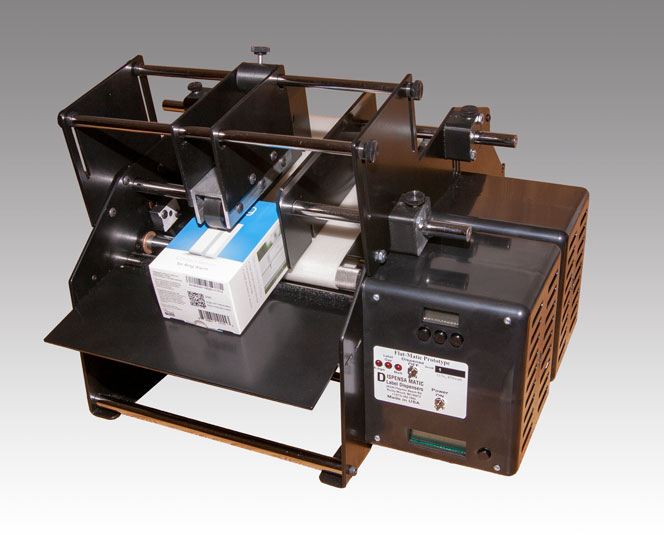
Conveyor Flat Product Labeller
- Flat bottles or cartons
- Output20 per minute
- Range20 to 250mm
- OperationSemi auto/product switch
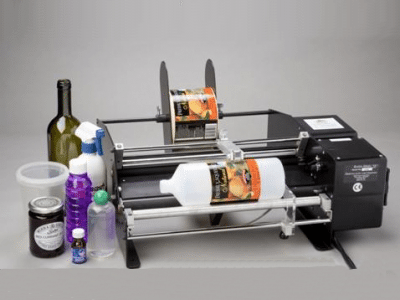
Desktop Bottle Labeller - Bottlematic
- Wrap round
- Outputup to 25 per minute
- Range12 to 250mm diameter
- OperationSemi auto/footswitch
- Widths6, 10 and 16"
- Setup Guide Included
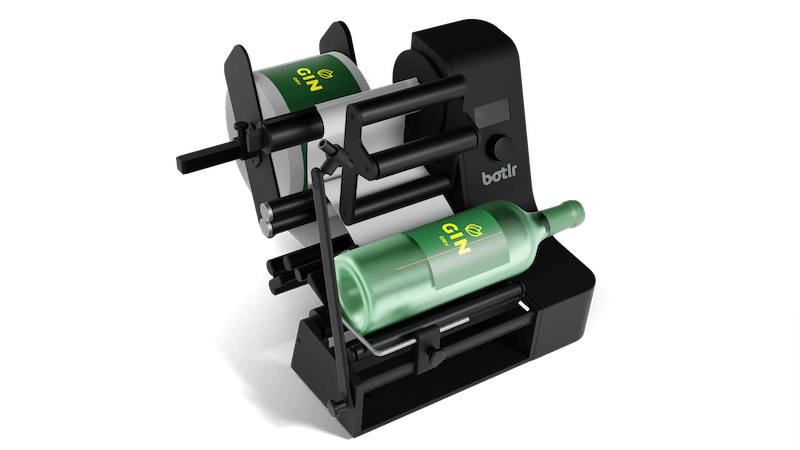
Desktop Bottle Labeller – Botlr
- Wrap Round
- Output20 products per minute
- Range13-120mm
- OperationSemi Automatic/product arm
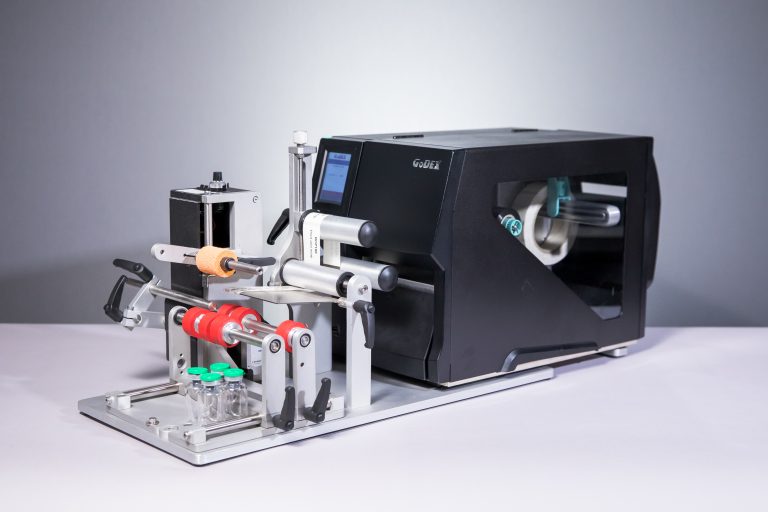
Desktop Bottle Labeller With Print
- Print and wrap round
- Outputup to 20 per minute
- Range20 to 100mm diameter
- OperationSemi auto/product switch
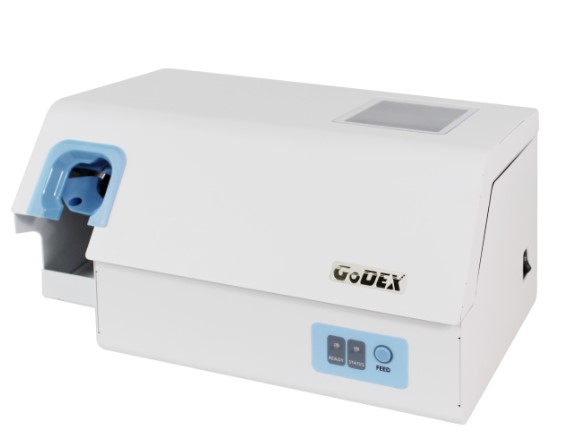
Desktop Tube Labeller With Print
- Compact desktop tube labelling system
- Print and wrap round
- Range10 to 20mm diameter
- OperationSemi auto/product switch
Flat Product Labeller
- Flat bottles or cartons
- Outputup to 20 per minute
- RangeUp to 250mm size products
- OperationSemi auto
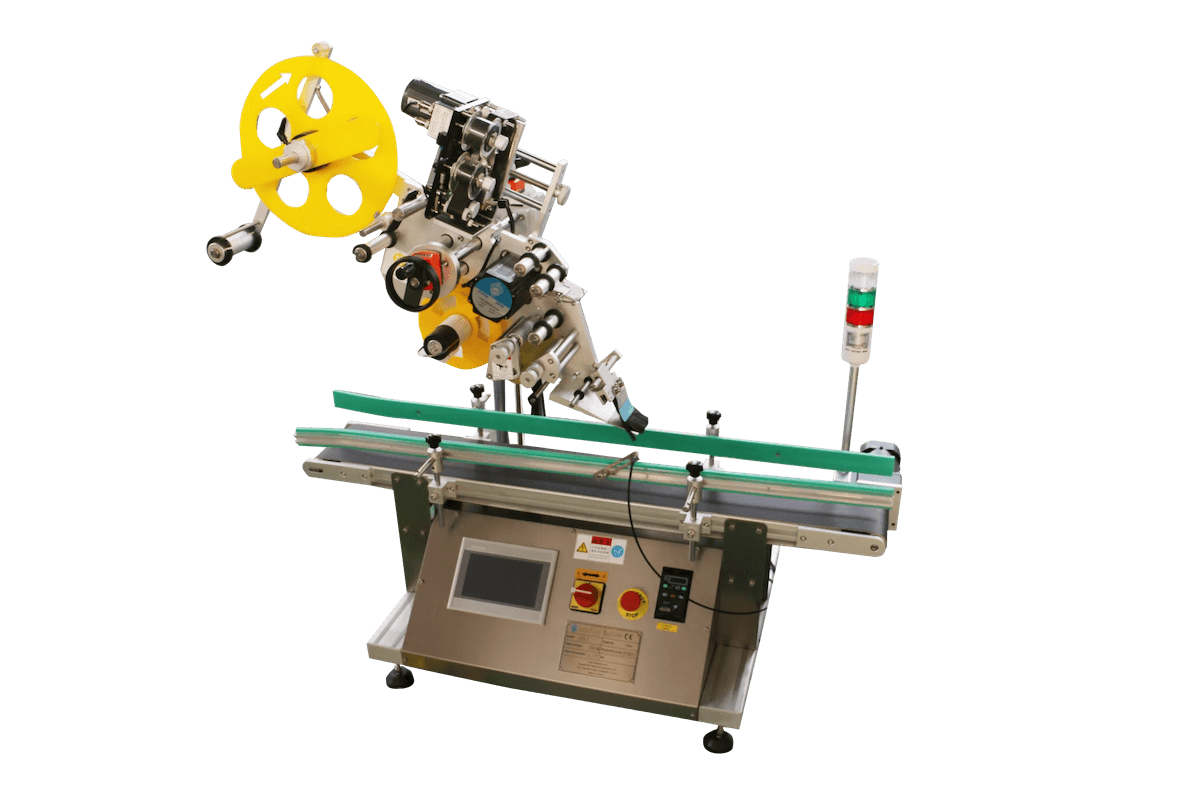
Flat Product Labeller with Mini Conveyor
- Flat Products
- Outputup to 50 per minute
- Range20 to 80mm wide
- OperationSemi auto/belt conveyor
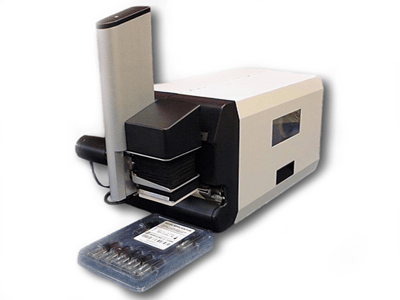
Flat Product Print & Apply Labeller
- Flat products
- Outputup to 30 per minute
- Range20 to 100mm label size
- OperationSemi auto/footswitch
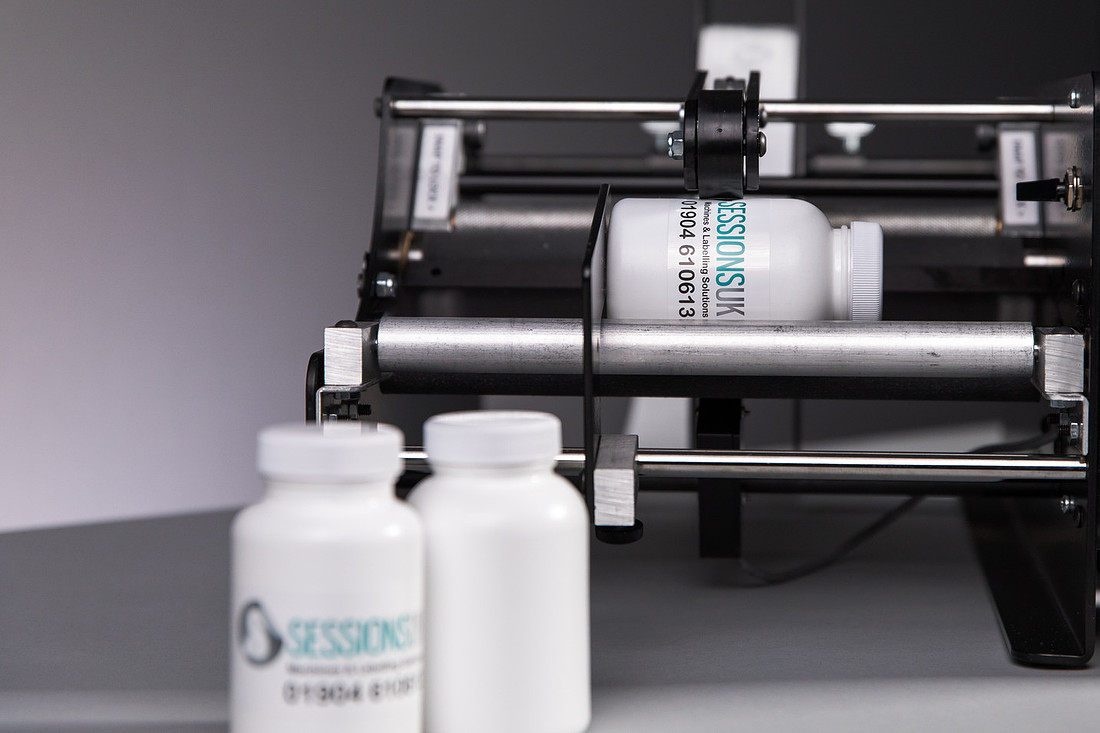
Manual Bottle Labeller
- Wrap round
- Outputup to 10 per minute
- Range20 to 100mm diameter
- OperationManual/handle
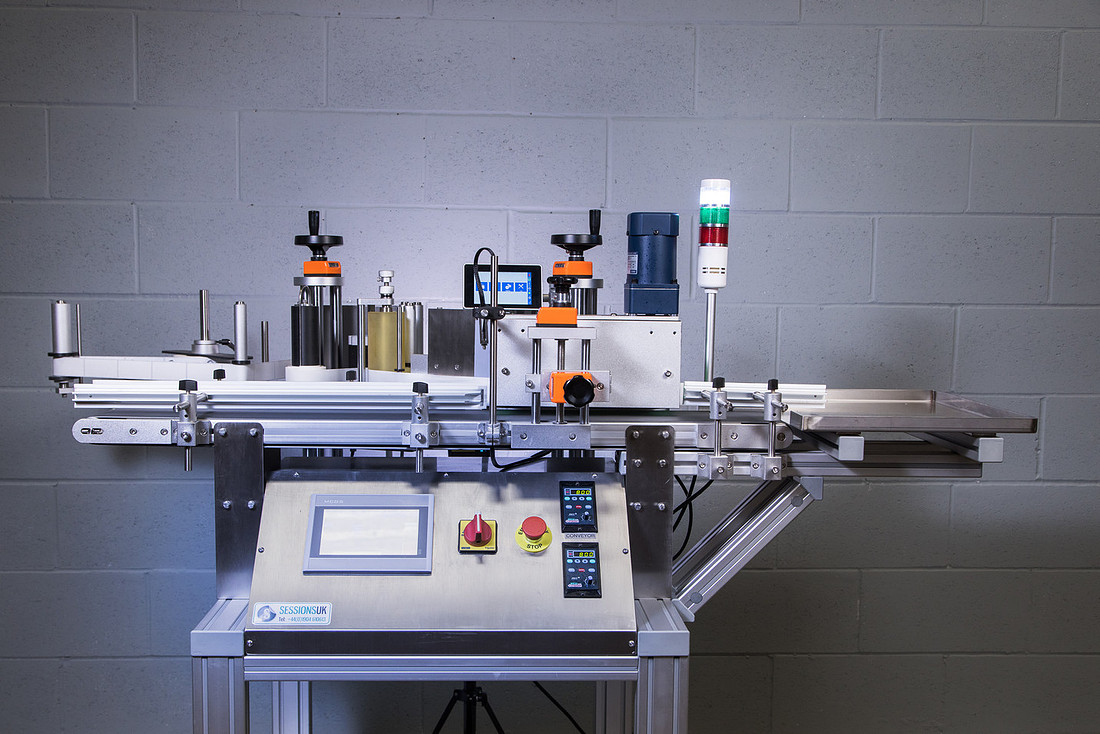
Wrap Round Labeller With Mini Conveyor
- Round products
- Outputup to 50 per minute
- Range25 to 80mm diameter
- Labels up to 150mm in height
- OperationSemi auto/belt conveyor
Understanding Semi-Automatic Labelling Machines
A semi-automatic labelling machine is a sophisticated piece of equipment designed to streamline the application of labels to a wide range of products. These machines occupy a sweet spot between fully manual labelling and fully automated systems, offering businesses the flexibility to maintain some manual control while benefiting from increased efficiency and precision.
Key features of semi-automatic labelling machines include:
- Customisable settings for various product sizes and label positions
- Integration capabilities with printing units for on-demand label customisation
- Precision control for accurate label placement
- Versatility in handling different types of labels and products
Semi-automatic labelling machines are particularly beneficial for:
- Small to medium production volumes
- Businesses with varying batch numbers
- Companies requiring flexibility in their labelling processes
- Industries with strict labelling accuracy requirements
Types of Semi-Automatic Labelling Machines
1. Semi-Automatic Bottle Labelling Machine
The semi-automatic bottle labelling machine is a popular choice in the beverage, pharmaceutical, and cosmetic industries. These machines are specifically designed to apply labels to cylindrical containers efficiently and accurately.
Key features:
- Adjustable bottle holders to accommodate various sizes
- Precision label placement for front, back, and wrap-around labels
- Optional date coding and batch numbering capabilities
- Ability to handle different label materials and adhesives
2. Flat Surface Labelling Machines
These machines are ideal for labelling flat or slightly curved surfaces on products such as boxes, packets, or flat-bottomed containers.
Key features:
- Adjustable product guides for different sizes
- Precise label positioning for consistent branding
- Optional integration with coding systems for variable data printing
- Capability to handle various label sizes and shapes
3. Top and Bottom Labelling Machines
Designed for applying labels to the top and/or bottom surfaces of products, these machines are commonly used in the food and pharmaceutical industries.
Key features:
- Dual labelling heads for simultaneous top and bottom labelling
- Adjustable conveyor speeds for different product sizes
- Integration with vision systems for label verification
- Compatibility with various label materials, including clear labels
Advantages of Semi-Automatic Labelling Machines
- Increased Efficiency: Semi-automatic labelling machines significantly speed up the labelling process compared to manual methods, increasing overall productivity.
- Improved Accuracy: These machines ensure consistent label placement, reducing errors and improving the overall quality of product presentation.
- Flexibility: Semi-automatic labelling machines can handle a variety of product shapes and sizes, making them versatile for different production runs.
- Cost-Effective: They offer a balance between the low initial cost of manual labelling and the high efficiency of fully automatic systems, making them an economical choice for many businesses.
- Ease of Use: Most semi-automatic labelling machines are designed with user-friendly interfaces, requiring minimal training for operators.
- Scalability: As production needs grow, many semi-automatic systems can be upgraded or integrated into more automated production lines.
Integrating Semi-Automatic Labelling Machines into Your Production Line
Incorporating a semi-automatic labelling machine into your existing production workflow can significantly enhance your labelling capabilities. Here are some key considerations:
- Assess Your Needs: Evaluate your current production volume, product types, and labelling requirements to choose the right machine.
- Space Planning: Ensure you have adequate space for the machine and associated equipment, such as label rolls and product staging areas.
- Training: Provide comprehensive training to your staff to ensure they can operate the machine efficiently and safely.
- Maintenance Schedule: Implement a regular maintenance schedule to keep your machine in optimal condition and prevent downtime.
- Integration with Existing Systems: Consider how the labelling machine will integrate with your current production line and any potential adjustments needed.
The Future of Semi-Automatic Labelling Machines
As technology continues to advance, semi-automatic labelling machines are evolving to meet the changing needs of businesses. Some emerging trends include:
- Enhanced connectivity for better integration with production management systems
- Improved sensor technology for more precise label detection and application
- Greater customisation options to meet specific industry requirements
- Integration of AI and machine learning for predictive maintenance and performance optimisation
These advancements are making semi-automatic labelling machines even more attractive for businesses looking to improve their labelling processes.
Comparing Semi-Automatic and Automatic Labelling Machines
While semi-automatic labelling machines offer numerous benefits, it’s important to understand how they compare to fully automatic labelling machines:
Semi-Automatic Labelling Machines
Pros:
- Lower initial cost
- Greater flexibility for small to medium production runs
- Easier to adjust for different product types
- Require less floor space
Cons:
- Lower production speed compared to fully automatic systems
- Require more operator involvement
Automatic Labelling Machines
Pros:
- Higher production speeds
- Minimal operator involvement
- Ideal for high-volume, consistent production runs
Cons:
- Higher initial investment
- Less flexibility for frequent product changes
- Require more floor space and infrastructure
The choice between a semi-automatic labelling machine and an automatic labelling machine depends on your specific production needs, budget, and long-term business goals.
Choosing the Right Semi-Automatic Labelling Machine
Selecting the appropriate semi-automatic labelling machine for your business requires careful consideration of several factors:
- Production Volume: Assess your current and projected labelling needs to ensure the machine can handle your production volume.
- Product Variety: Consider the range of products you need to label and choose a machine that can accommodate different shapes and sizes.
- Label Types: Ensure the machine is compatible with the types of labels you use, including materials, sizes, and adhesives.
- Integration Capabilities: If you plan to integrate the labelling machine with other systems, such as printers or vision systems, check for compatibility.
- Customisation Options: Look for machines that offer the level of customisation you need for your specific labelling requirements.
- Support and Maintenance: Consider the availability of technical support, spare parts, and maintenance services when choosing a supplier.
Conclusion
Semi-automatic labelling machines offer a versatile, efficient, and cost-effective solution for businesses looking to improve their labelling processes. These machines provide a perfect balance between manual control and automated precision, making them suitable for a wide range of industries and production volumes.
By investing in a semi-automatic labelling machine, businesses can significantly enhance their productivity, improve label accuracy, and maintain flexibility in their production processes. As technology continues to advance, these machines are becoming even more sophisticated, offering greater customisation options and improved integration capabilities.
Whether you’re considering a semi-automatic bottle labelling machine or a more versatile labelling system, it’s crucial to carefully assess your needs and choose a machine that aligns with your business goals and production requirements.
Ready to explore the right labelling solution for your business? Visit our Explore By Application page to find the perfect semi-automatic labelling machine tailored to your specific needs. Let Sessions UK guide you towards more efficient, precise, and professional product labelling today.