When Contract Labelling Becomes a Strategic Advantage
Sessions UK | 26th May 2026

Turn Your Label Line Into a Competitive Edge
When demand jumps in spring and summer, the label line is often the first thing to struggle. Orders grow, new flavors or pack sizes appear, and suddenly every delay, smudge, or misprint feels like a threat to hard-won shelf space. Labels might look simple, but they can quietly decide who ships on time and who misses the promotion window.
This is where contract labelling services shift from a backup option to a real strategic advantage. Handing some or all of your labelling to a specialist is not just about outsourcing a job you do not want. Done well, it opens capacity, protects compliance, and gives you room to launch faster and with more confidence.
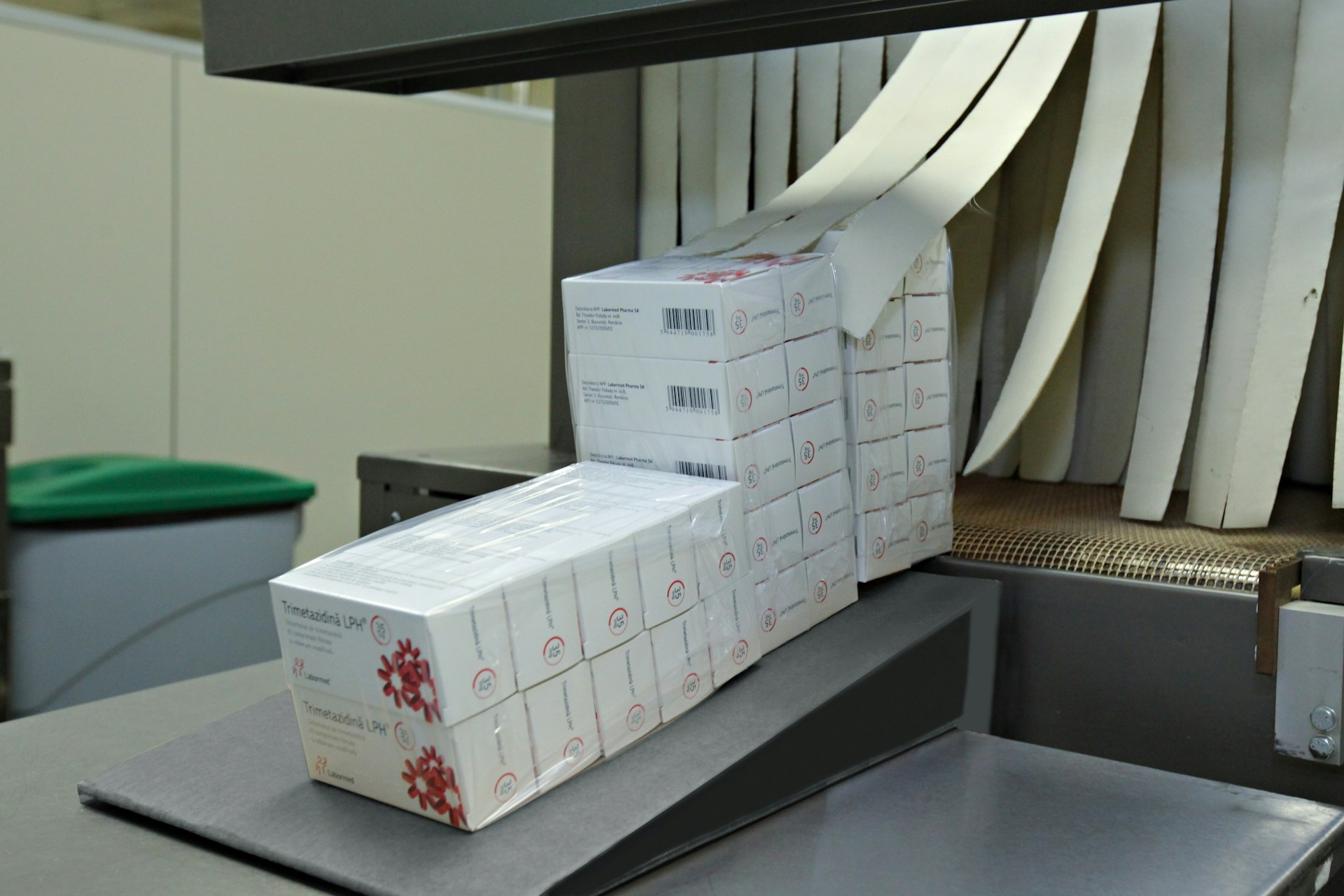
At Sessions UK, we bring together three things in one place: machinery know-how, label supply, and hands-on contract labelling. That mix helps producers across food, drink, pharma, and industrial manufacturing grow without betting everything on a single in-house line. With warmer months bringing promotions, trial packs, and limited editions, rethinking how your labels get applied can make a big difference to sales and retailer relationships.
Why Contract Labelling Services Are No Longer Optional
Retailer expectations keep getting tougher. Short lead times, strict booking slots, and tight presentation rules leave very little room for slow or unreliable labelling. Add in seasonal products and quick design refreshes for spring and summer, and an older or manual line can become a serious bottleneck.
Contract labelling services help you stay flexible when things change fast. Instead of pushing your own line past breaking point, you can tap into extra capacity that is ready to go.
That can mean support with:
- Surge volumes around promotions or warm weather spikes
- Short test runs for new shapes, sizes, and multi-pack formats
- Backup production when your own equipment is down for repair or maintenance
- Emergency cover if a design change lands at the last minute
There is also the risk side to think about. With contract labelling, you are working with people who spend all day, every day, focused on getting labels on correctly. You get trained operators, set processes, and agreed checks that help cut down on:
- Mislabelled products reaching the pallet
- Rework that eats into already tight slots
- Cartons stuck in quarantine waiting for a decision
- The chance of a recall due to labelling mistakes
Instead of hoping the line will hold through peak season, you build in a safety valve that keeps orders moving and retailers happy.
Turning Compliance Pressures Into Process Strength
Labelling rules are not getting simpler. Across food, drink, pharmaceuticals, and industrial products, there is constant pressure around allergens, ingredients, traceability, and variable data such as dates or batch codes. Labels now carry more information in less space, and the room for error gets smaller every year.
Trying to keep up with new rules and retailer guidelines while also running production is tough. Artwork layouts change, minimum font sizes apply, and data must appear in the right place on every single unit. When you work with a specialist contract labelling partner, you are not facing that alone.
A good partner will:
- Stay familiar with current labelling expectations in key sectors
- Check that artwork and label stock are suitable for the application method
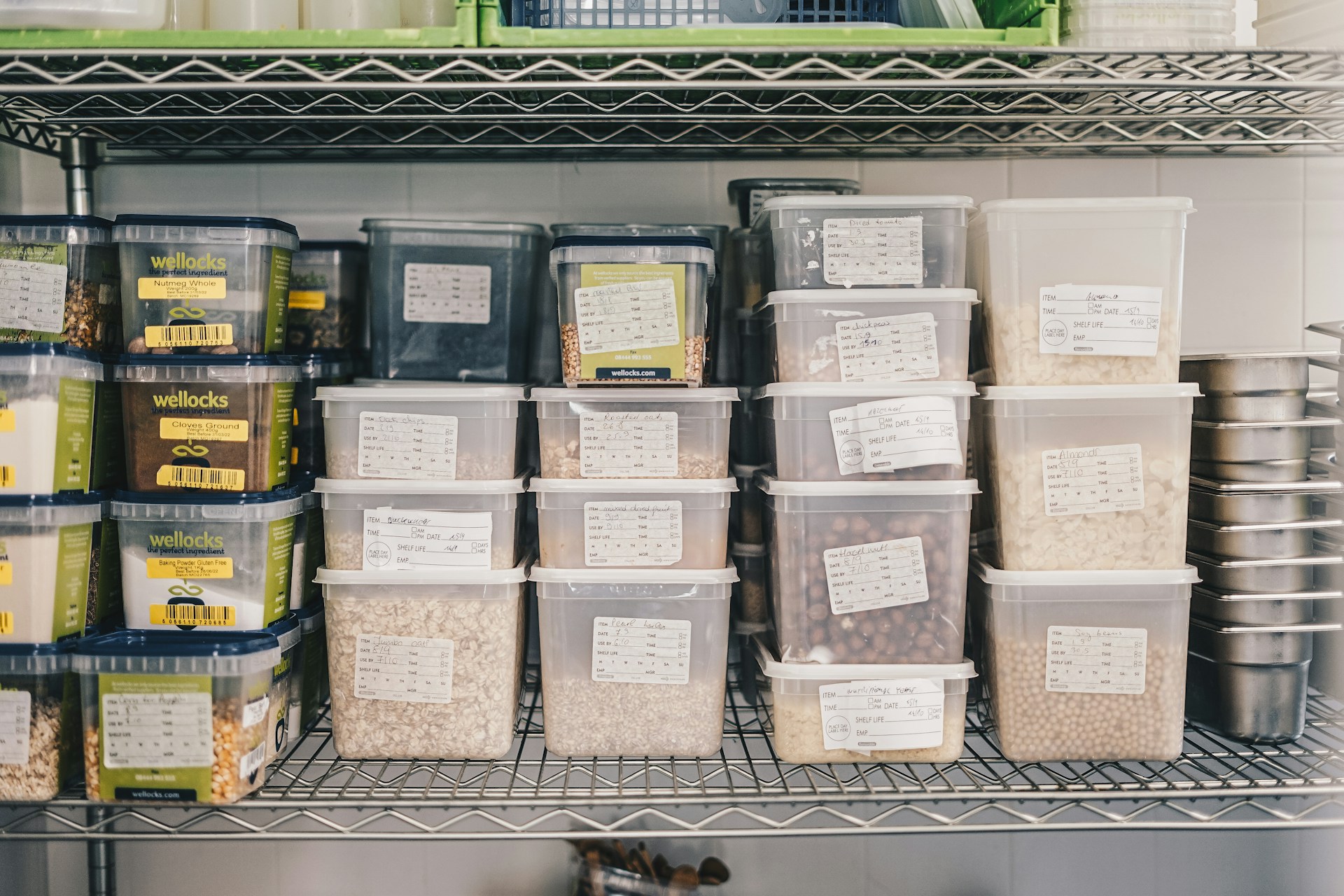
- Control variable data so dates and codes are clear and consistent
- Build checks into the line so issues are caught early, not at goods-out
Instead of treating compliance as a last-minute scramble, it becomes part of a steady process. That pays off when auditors visit, when buyers review performance, and when consumers start reading the back-of-pack more closely. Strong label control feeds into better retailer scorecards and stronger trust in your brand.
Designing a Smarter Label Supply Chain
Labels do not sit in isolation. They touch packaging design, stock management, data systems, artwork, and transport. When those pieces do not line up, you see missed slots, damaged labels, or half-used reels sitting in a corner.
Contract labelling services work best when they are planned as part of the wider packaging picture. Instead of stocking a separate pre-printed label for every single variant, you might move toward more on-demand printing or shared templates that cover several SKUs. That can cut waste and give you more room to respond when a retailer asks for a change.
The biggest gains often come when machinery, labels, and contract application are aligned. With the right setup, you can:
- Match label materials to your pack format and line speed
- Choose adhesives and finishes that cope with chill chains and moisture
- Reduce handoffs between separate suppliers and transport legs
- Keep downtime lower because formats and materials are already proven together
Data and visibility are just as important. When forecasts, promotion plans, and artwork updates are shared early, the labelling setup can flex quickly. That might mean building in more capacity ahead of a heatwave promotion, or lining up a format change for a new multipack. Instead of reacting late, you are setting up a responsive labelling ecosystem that can move with your market.
When to Shift From in-House to Strategic Outsourcing
Many producers start with everything in-house and only think about contract labelling when trouble hits. A better way is to watch for early signs that it is time to blend in external support.
Some clear indicators include:
- Regular overtime or weekend shifts just to keep the label line on plan
- Repeated bottlenecks where labelled stock is holding up finished goods
- Struggling to meet launch or promotion timelines due to label delays
- Quality issues on labels that slip through checks and reach the customer
You do not have to choose between fully in-house and fully outsourced. A hybrid model often works best. Your own line might keep the stable, year-round SKUs running, while a contract partner focuses on:
- Seasonal or short-run products with changing artwork
- Complex or awkward pack formats that need specialist machinery
- Fast-turn emergency runs when a retailer requests a late promotion
Concerns around control, cost, or confidentiality are normal. These can be managed with clear service level agreements, defined quality standards, and trial projects. Starting small and growing the partnership over time lets both sides build trust without taking unnecessary risks.
Making Contract Labelling Work for Your Next Launch
The best time to rethink labelling is before the next surge of new lines and promotions hits, not once the line is already under strain. A simple internal review can highlight which upcoming launches or seasonal pushes are most likely to stretch your current setup.
Useful questions include:
- Which SKUs are likely to see sharp volume spikes?
- Where are artwork changes most frequent or complex?
- Which lines caused the most stress for operations last spring and summer?
From there, you can shortlist a few products or formats that would benefit most from contract labelling services. A pilot project is often the smartest way to start. One product family, a limited run, or a key summer promotion can give you a clear view of quality, timing, and communication without turning your whole operation upside down.
As a UK-based supplier and contract labelling partner, Sessions UK brings machinery know-how, label supply, and practical production support under one roof. By aligning operations, packaging, and procurement teams around shared labelling goals, you can turn what was once a fragile point in your process into a quiet strength that supports growth, season after season.
Get Started With Your Project Today
If you are ready to streamline your operations and stay compliant, our contract labeling services can be tailored to match your exact requirements and timelines. At Sessions UK, we work closely with your team to understand your workflows and deliver reliable, repeatable results. Reach out to contact us so we can discuss your project details and put a clear, practical plan in place.