
Industrial labelling may seem straightforward, but it presents a range of unique challenges that can trip up even the most experienced businesses. In the UK, where a variety of products and sectors require precise labelling solutions, these challenges become more pronounced. From small-scale operations to large factories, everyone needs to ensure that their labelling processes are efficient and accurate to avoid costly mistakes. This is especially important when dealing with vast quantities of products that require seamless traceability from production to consumer shelves.
Addressing these labelling challenges brings several advantages. Efficient labelling processes aid in smooth operations, help maintain brand integrity, and ensure compliance with industry standards. By overcoming these hurdles, businesses not only streamline their production lines, but also enhance customer satisfaction with clear and reliable product information. It’s about making sure that every label sticks perfectly, reads clearly, and stays in place no matter the conditions.
The task of labelling in the industrial sector is packed with potential pitfalls. Here are some of the most common issues businesses face:
1. Misaligned Labels: When labels don’t line up properly, it leads to misidentification and confusion. This is a major concern since it affects both the aesthetic of the product and the functionality of information it conveys.
2. Adhesive Problems: Imagine a label peeling off only hours after application. Poor adhesive choices lead to labels falling off or becoming obscured, especially if they encounter moisture or varying temperatures.
3. Irregular Product Shapes: Products don’t always come in neat, flat surfaces, which can make it tricky to apply labels securely and neatly. Think of trying to stick a label on a curved surface without any bubbles or wrinkles—it’s not as easy as it sounds.
The impact of such challenges can’t be understated. Misaligned or missing labels can disrupt stock management and lead to wastage, as products may have to be relabelled or discarded. It can also result in non-compliance with industry regulations, drawing penalties or fines.
Addressing these challenges requires a thoughtful approach, considering both the type of products and the environment in which they’re being labelled. Businesses can mitigate these issues by selecting the right machinery and supplies, ultimately ensuring reliability and efficiency in their labelling processes.
Getting the label placement just right is a priority for any industry. To tackle misalignment, using advanced machinery is one of the best solutions. These machines offer high precision, ensuring that each label is exactly where it should be, time and time again. They come with sophisticated features such as sensors and guides that keep the labels perfectly aligned.
Positioning labels correctly can be further improved with some handy tools and techniques. Consider these options:
– Alignment Guides: Use these to help position labels accurately on various surfaces.
– Real-Time Adjustments: Employ machines that allow for easy tweaks on the go, adapting to different product speeds and sizes.
– Visual Aids: Many systems now offer displays or markers to help the operator ensure the label application is flawless.
Employing these methods will help avoid the common frustration of crooked or misplaced labels and keep things running smoothly.
The type of adhesive used for labels can significantly affect their durability and reliability. Selecting the right adhesive starts with understanding where and how your product will be used. For instance, items exposed to moisture need an adhesive that can withstand wet conditions without peeling. Similarly, products stored in warehouses with extreme temperatures require adhesives that won’t crack or lose stickiness if the environment fluctuates.
When choosing adhesives, consider:
1. Types of Adhesives: Pressure-sensitive adhesives work well for most conditions, but specialised adhesives are available for high-stress situations.
2. Surface Compatibility: Make sure the adhesive matches the surface, whether it’s metal, plastic, or cardboard.
3. Long-Term Reliability: Opt for solutions tested to last over time and under various conditions.
By addressing these factors, companies can rest assured that their labels will remain secure and legible no matter where their products go.
Labelling irregularly shaped products comes with its own set of challenges. Traditional labelling methods often fail on products with curves or unique shapes. Customised labelling machinery can be the answer, engineered to adapt to these special requirements. Such machinery allows for flexible adjustments and applications that cater to non-standard surfaces.
Here are some tips to get labels to stick securely on tricky surfaces:
– Use compliant applicators that can adjust to the contours of your product.
– Ensure the label material is flexible enough to hug the curves without wrinkling.
– Select adhesives designed for complex shapes, ensuring they maintain grip despite the product’s profile.
Numerous industries, like cosmetics or gourmet foods, deal with uniquely shaped containers, benefiting from customised machinery that handles these odd forms with ease. Applying these strategies ensures that every label stays put, looks good, and serves its purpose effectively.
Tackling the hurdles of industrial labelling doesn’t have to be overwhelming. By focusing on the right equipment and materials, businesses can significantly improve their operations. Efficient labelling systems not only enhance product quality but also reinforce brand reputation. Correctly labelled products build trust with consumers and meet all regulatory requirements, reducing headaches down the line.
Whether dealing with misalignment, adhesive issues, or oddly shaped products, paying attention to details and using the right solutions makes all the difference. It’s about being proactive and choosing proven methods to keep the production line moving and the shelves stocked with correctly labelled goods. As these strategies highlight, the key is using the right tools and techniques to address these typical hurdles, ensuring smooth and reliable results.
Enhance your labelling operations with Sessions UK by exploring our wide selection of machines designed to address typical labelling challenges. Whether you face issues with adhesive selection or the complexities of labelling irregular shapes, we’ve got the tools to keep your process smooth and efficient. Learn more about industrial labelling and find the right solution to ensure your products stay clearly marked and compliant with standards.

Smarter Pharmaceutical Labels That Stop Recalls Before They Start Pharmaceutical recalls are painful. They slow production, create worry for patients, and pull whole teams into...
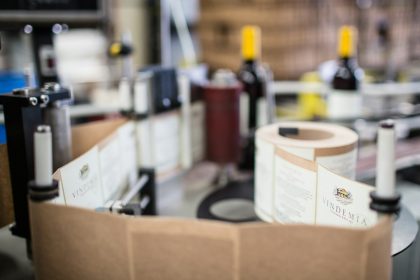
How High-Speed Labeling Transforms Bottle Production High-speed bottling lines work hard when spring and early summer hit. Drinks move faster, orders stack up, and every...
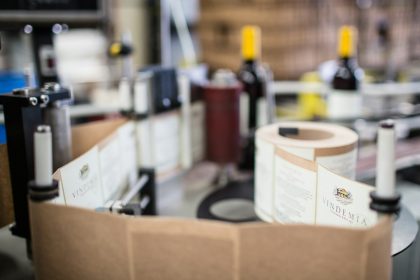
Is It Time to Rethink Your Labelling Strategy? Clear, accurate labels are no longer a nice extra. They are the entry ticket for selling food,...
Copyright © 2026 Sessions Label Solutions Ltd.