Choosing Between In‑House and Contract Labelling Services
Sessions UK | 11th Mar 2026
Is It Time to Rethink Your Labelling Strategy?
Clear, accurate labels are no longer a nice extra. They are the entry ticket for selling food, pharmaceuticals and manufactured products. Regulators, retailers and consumers want more detail, more traceability and more proof that packaging is safer and more responsible. On top of that, many businesses are working toward new sustainability goals and tighter retailer standards.
Operations and packaging leaders feel the squeeze. You are asked to move faster, add more SKUs and keep errors close to zero, all without slowing lines or adding stress to your teams. That pressure often lands on one simple question: do you bring more labelling in-house, or do you lean on contract labelling services, or do you mix both?
At Sessions UK, we work on both sides of that choice. We supply specialist labelling machinery, labels and printing solutions, and we also provide contract and over-labelling services for food, pharma and manufacturing businesses. In this guide, we will walk through what each approach really involves, where each one fits best and how to shape a labelling setup that can carry you through busy seasons and future changes.
What in-House Labelling Really Involves
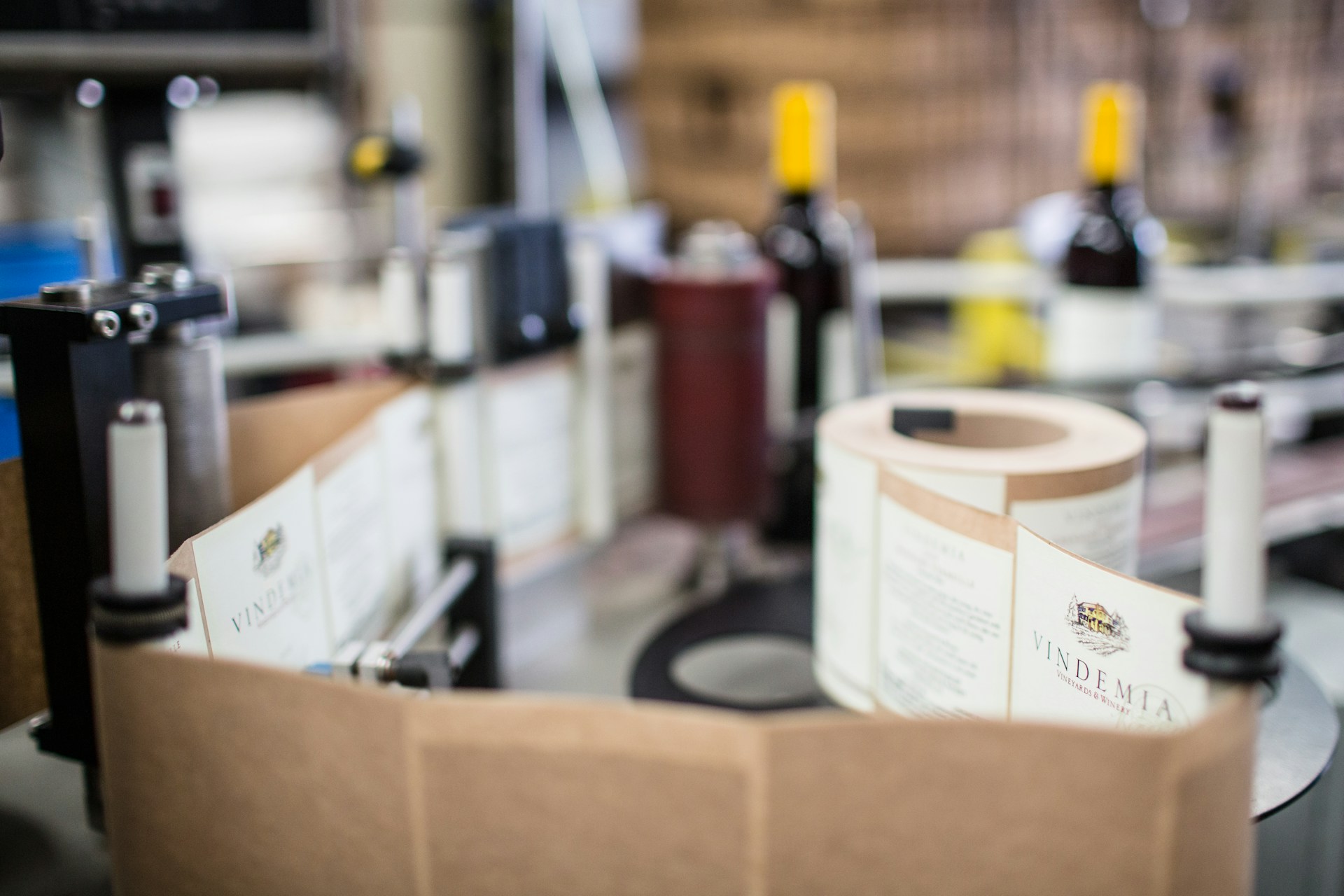
In-house labelling means you own and run the full process inside your site. That usually includes:
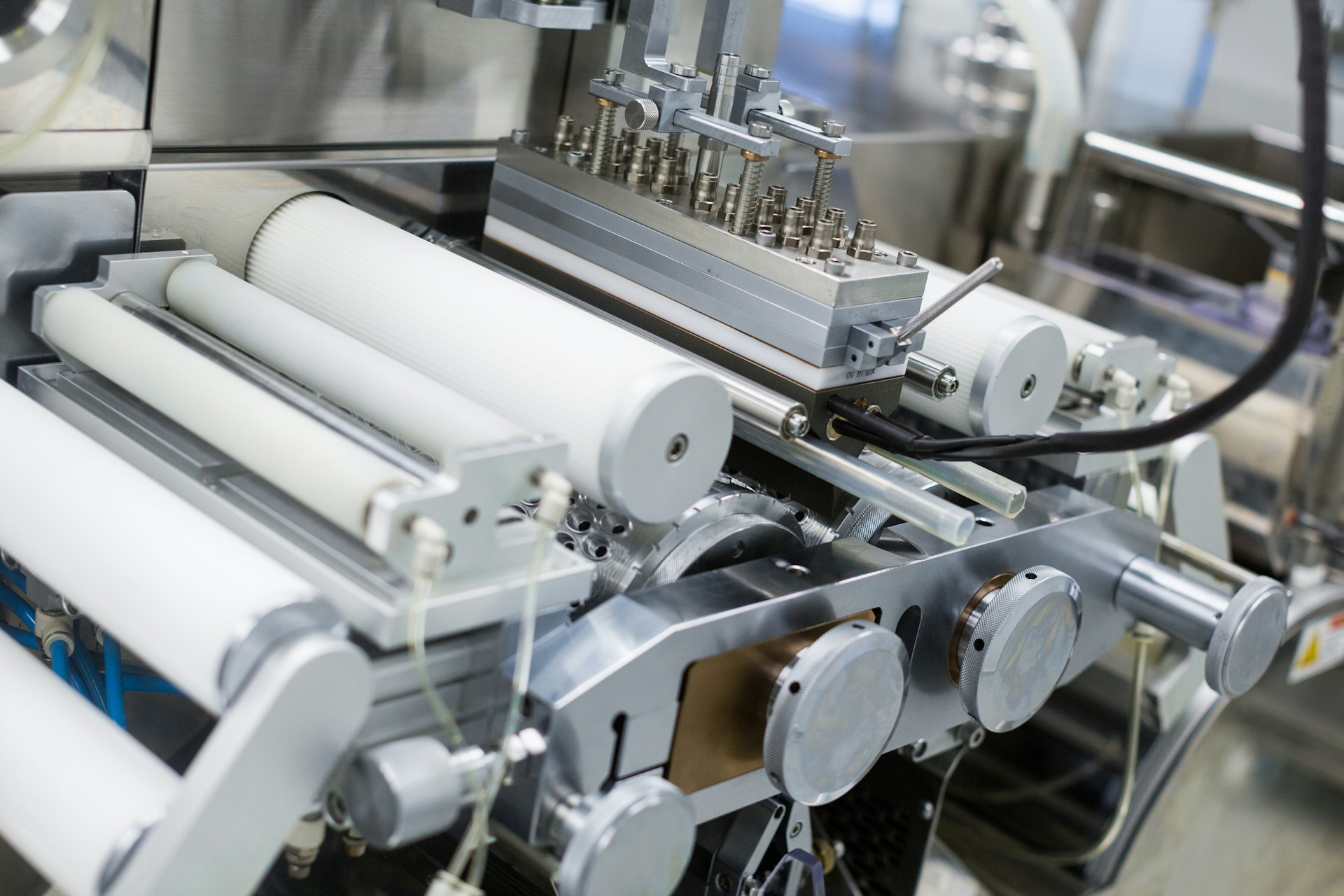
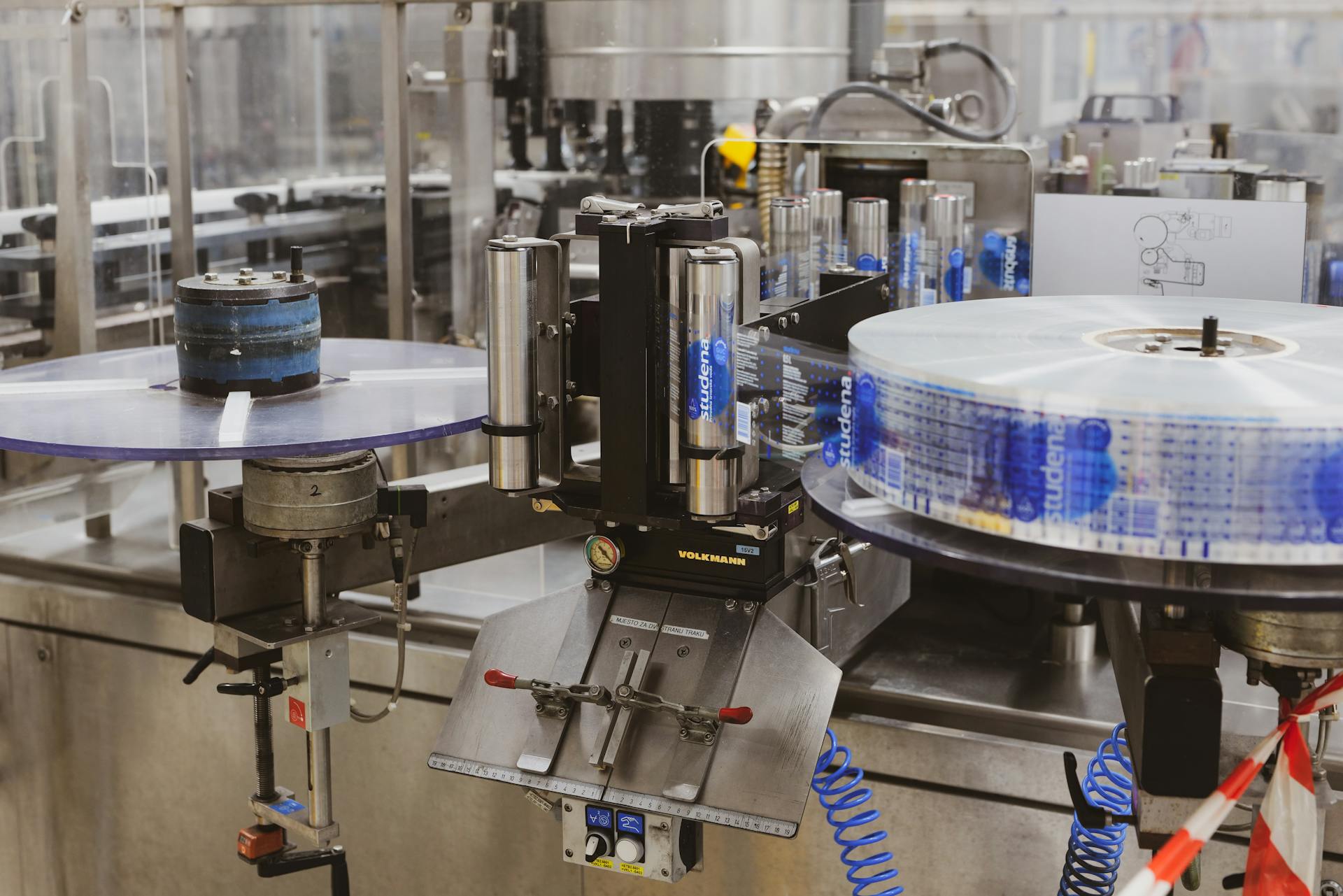
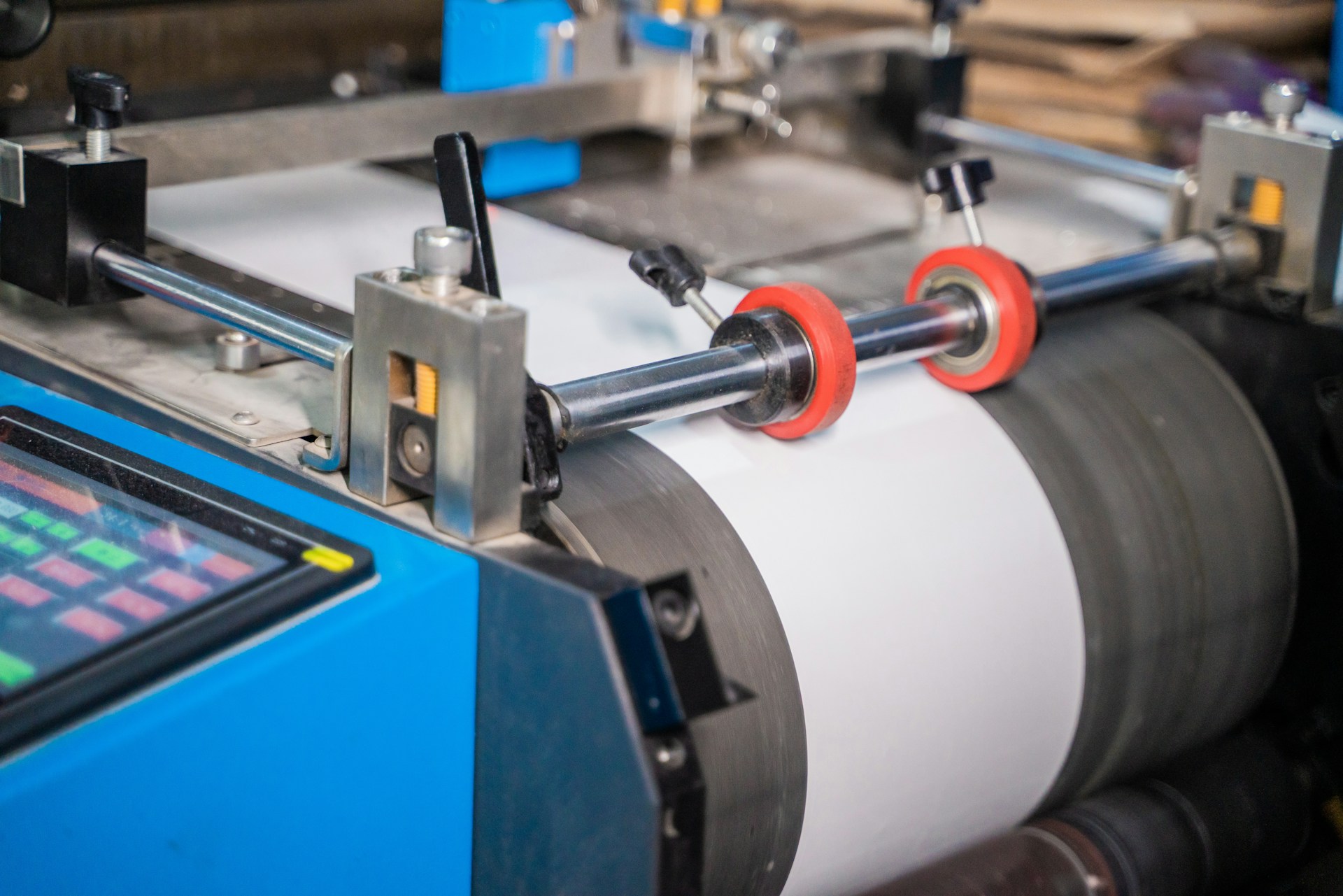
- Labelling machinery and application systems
- Printers and coding equipment
- Label materials, inks and ribbons
- Software for layouts, data and traceability
- Quality checks and record keeping
To get there, you need to plan for more than just buying a machine. You also have to think about:
- Capital spend on labellers and printers
- Integration with current packaging or filling lines
- Training operators and supervisors
- Planned maintenance and spare parts
- Changeover time between SKUs
When this model works well, it can be powerful. You get direct control over:
- Production schedules and priorities
- Artwork changes for promos or new recipes
- Late tweaks for retailer or language requirements
This is especially helpful if you run complex products with many variants or tight lead times from order to dispatch.
But there are hidden challenges that often show up once lines are busy. Downtime becomes a big risk during seasonal peaks, like spring and summer launches when retailers want quick refreshes. Regulations for food and pharma labels keep shifting, so your team must stay on top of layout rules, allergen calls-outs, barcodes and batch coding. On top of that, label inventory can get messy, with rolls going out of date, old artwork still on the shelf and extra waste.
Sessions UK supports teams on this path by helping choose and supply labelling machinery, labels and printing solutions, then working with you to fine-tune and improve the performance of your existing in-house lines.
How Contract Labelling Services Work Day to Day
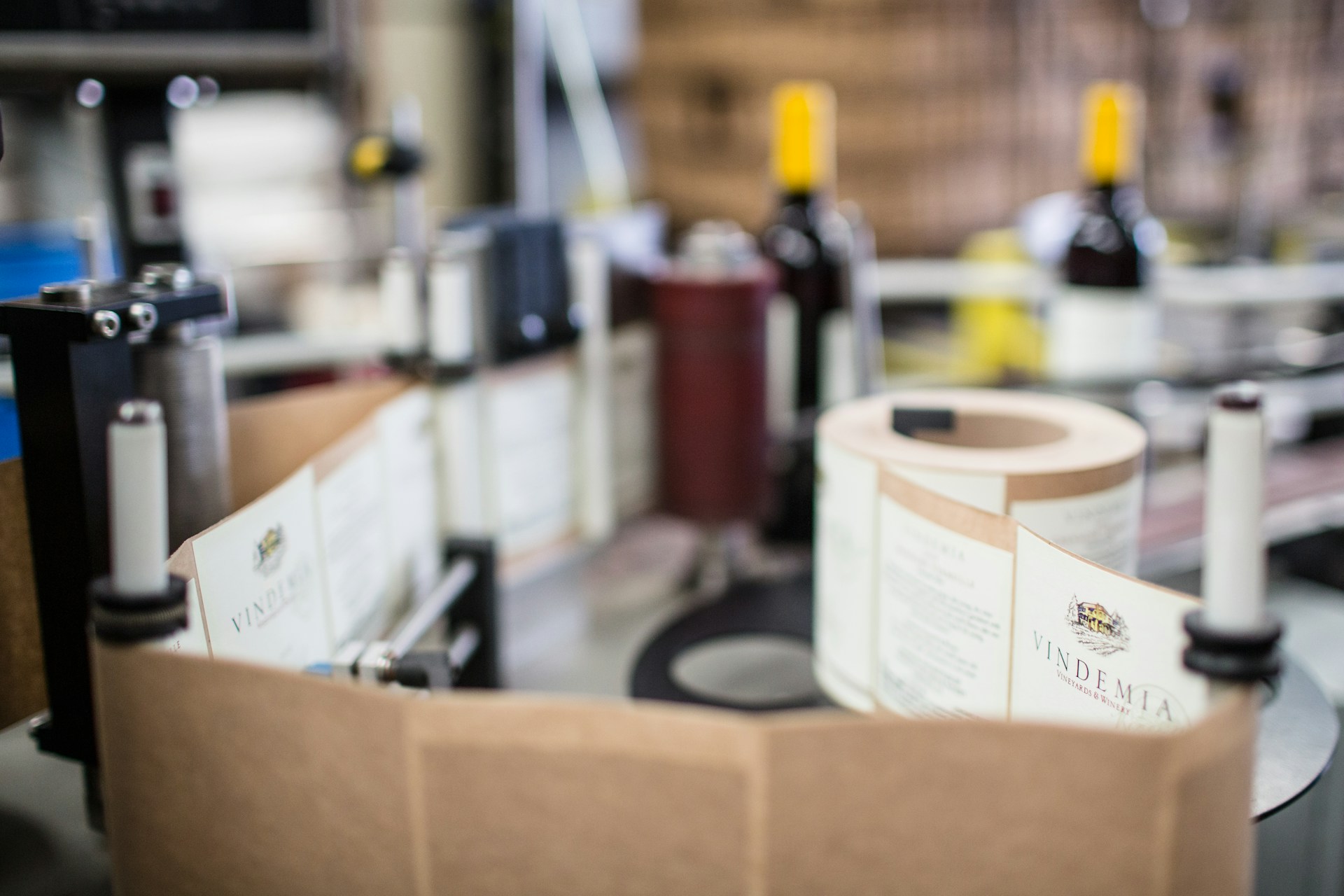
Contract labelling services are different. Instead of handling every label on your own line, you outsource some or all of that work to a specialist provider. They apply labels, add over-labels or rework packs for you.
A typical workflow might look like this:
- You agree the project scope, products and timelines
- Artwork and proofs are shared and approved together
- Product is shipped to the contract labelling site
- Labels are applied, checked and packed as agreed
- Records are shared for your quality and compliance files
In daily operations, this can make life easier. A good contract partner gives you room to:
- Scale up quickly for seasonal peaks or big promotions
- Handle complex multi-SKU projects without overloading your own lines
- Manage short runs, trials or late-stage changes
- Clear rework, such as over-labelling for recalls, errors or new languages
The risk profile changes too. The contract labeller takes on the work of keeping machinery in good condition, training operators and following current industry regulations and retailer rules. That includes the fine details that can trip teams up, like label position tolerances or specific barcode requirements.
At Sessions UK, our contract and over-labelling services often help when packs need correction, a new language panel or a promotional flash, or when a customer rebrand lands while internal lines are already full. Having this flexibility in reserve can reduce stress when orders spike or when British weather throws off supply plans and deliveries.
Cost, Control, and Compliance: Comparing Your Options
When you compare in-house and contract labelling services, it helps to break things into a few simple buckets.
Cost structures generally look like this:
- In-house, you pay upfront for machinery, then for maintenance, parts, labels and labor over time
- Contract services, you pay per unit or per project, usually with setup included inside that structure
On control and flexibility:
- In-house lines give you direct, instant access, which suits steady, repeat work
- Contract services can be more flexible for last-minute artwork changes, new regulations or retailer-specific designs
For compliance and risk, think about how you manage:
- Allergen statements and ingredients
- Barcodes and GTINs
- Batch codes and expiry dates
- Tamper-evident features
Either model can work, but you need clear checks and sign-offs. A specialist partner can help you build these controls, whether labels are applied in your own plant or at an external site.
Quality and consistency matter just as much. Poor label placement or unclear print can hurt shelf impact, especially when products sit next to strong brands. When you compare options, do not just look at the price of a machine or a per-unit rate. Think in terms of overall value:
- Downtime and stoppages
- Changeover times between products
- Error rates and rework
- Time and attention pulled from other projects
This total picture often shows why some businesses keep their core high-volume products in-house while sending more complex or changeable work outside.
Deciding What Fits: A Practical Assessment Framework
To decide what fits your business, it helps to look at a few simple questions.
Start with product and volume:
- Are your main SKUs high volume and very stable?
- Do labels change only now and then?
If yes, in-house machinery with the right support can be a strong choice. You keep lines busy and get good value from your equipment.
Next, look at complexity and change:
- Do recipes, artwork or claims change frequently?
- Do you manage private-label contracts with different retailer rules?
- Do you ship export packs with extra languages or local rules?
If this sounds familiar, flexible contract labelling services often make more sense, at least for some of your range. They help you respond quickly without stopping your main lines.
A hybrid model can be ideal when you are:
- Rolling out a rebrand
- Reacting to a big regulatory shift
- Testing new product formats or seasonal ranges
Ask yourself:
- How quickly do we need to respond to new labelling rules?
- How often do retailers request layout or content changes?
- What is our real tolerance for downtime during peak weeks?
One practical way to learn is to run a trial or pilot. You might keep normal work on your own lines and send a promotion, a short run or a rework project to a contract labeller. That way you can see the impact on speed, quality and team workload before setting a long-term approach.
Sessions UK often supports this assessment by reviewing current labelling processes, then suggesting a tailored mix of machinery, labels, printing solutions and outsourced services that suits each product group.
Build a Future-Proof Labelling Strategy This Year
To build a more future-ready labelling setup, start with your product roadmap. Map out launches, seasonal campaigns and likely changes in recipes, formats or target markets. Add in expected regulatory milestones and retailer reviews. Then compare that plan to your current labelling capacity and flexibility.
From there, you can:
- Review each labelling line for speed, changeover time and weak spots
- Compare the real internal cost of in-house labelling with the value of using contract labelling services for selected work
- Pick a few quick-win projects to outsource or automate, such as rework or short promotional runs
At Sessions UK, our goal is to help you build a labelling setup that feels calm and controlled, even during busy spells. With the right mix of well-chosen machinery, quality labels and printing, plus flexible contract and over-labelling support when you need it, your packs can stay compliant, efficient to produce and strong on shelf impact, whatever the market throws at you.
Get Started With Your Project Today
If you are ready to streamline your operations and eliminate labeling headaches, our contract labeling services can be tailored to your exact requirements. At Sessions UK, we partner with you to ensure accuracy, compliance, and reliable turnaround times on every project. Tell us about your labeling needs and we will recommend the right solution for your products. To discuss details or request a quote, simply contact us today.