
Automatic Labelling Machines
Manual, semi-automatic or automatic: which do you need?
Let's find the ideal labelling solution for your needs
Products
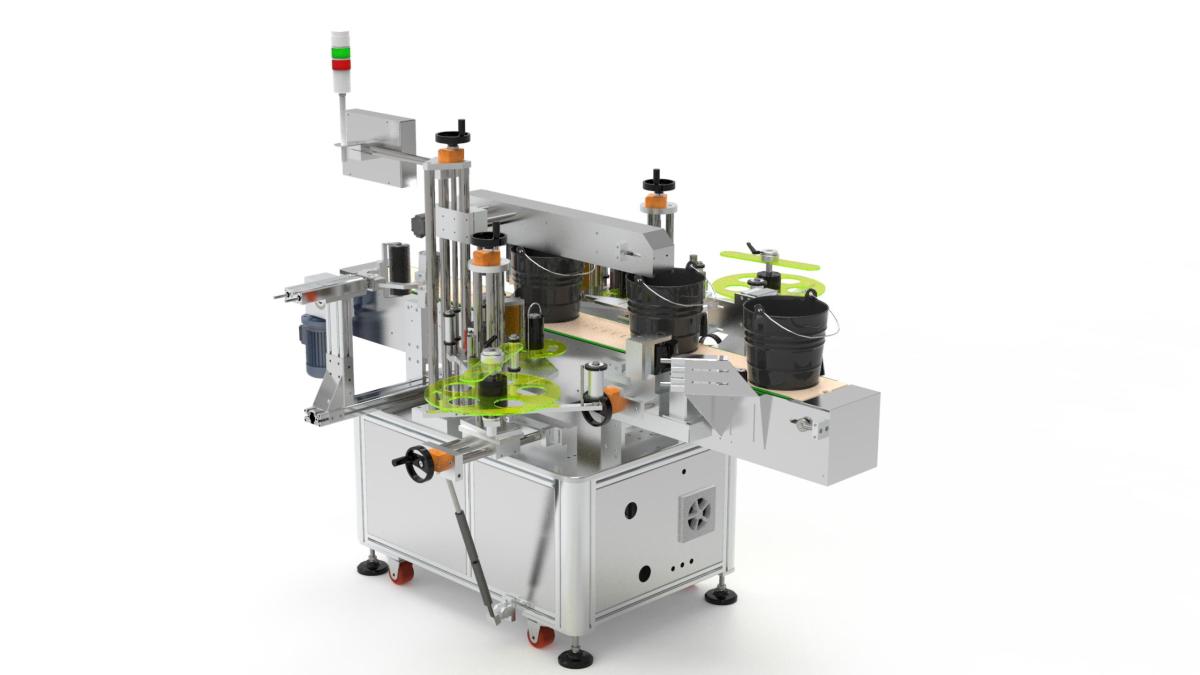
Bucket Labelling Machine
- Wrap round conical
- Outputup to 25 per minute
- Rangeup to 5 litre buckets
- OperationAutomatic/slat conveyor
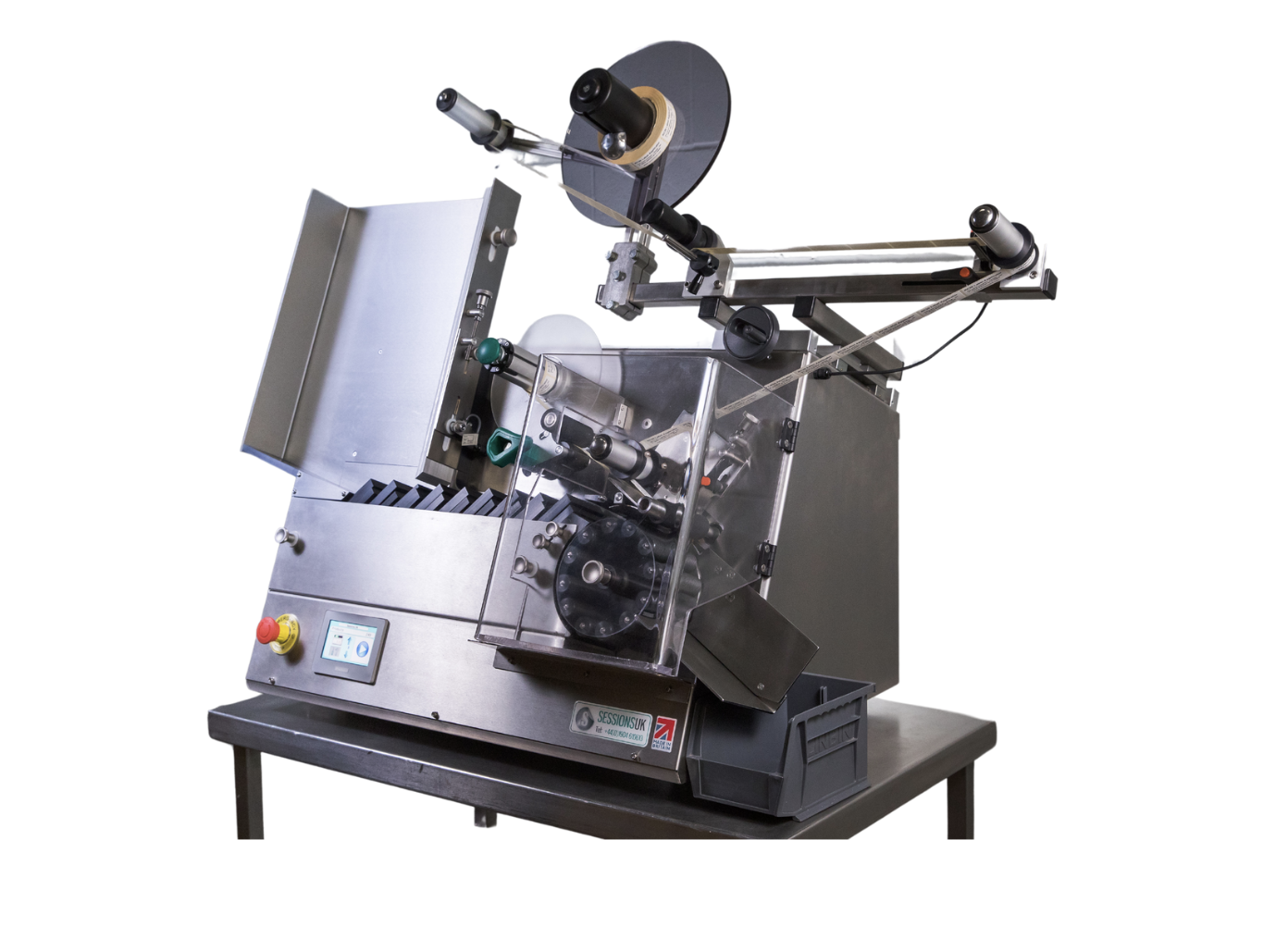
Floor Standing Tube Labelling Machine
- Wrap round
- Outputup to 60 per minute
- Range10 to 35mm diameter
- OperationAutomatic/step conveyor
- OptionIn-register labelling
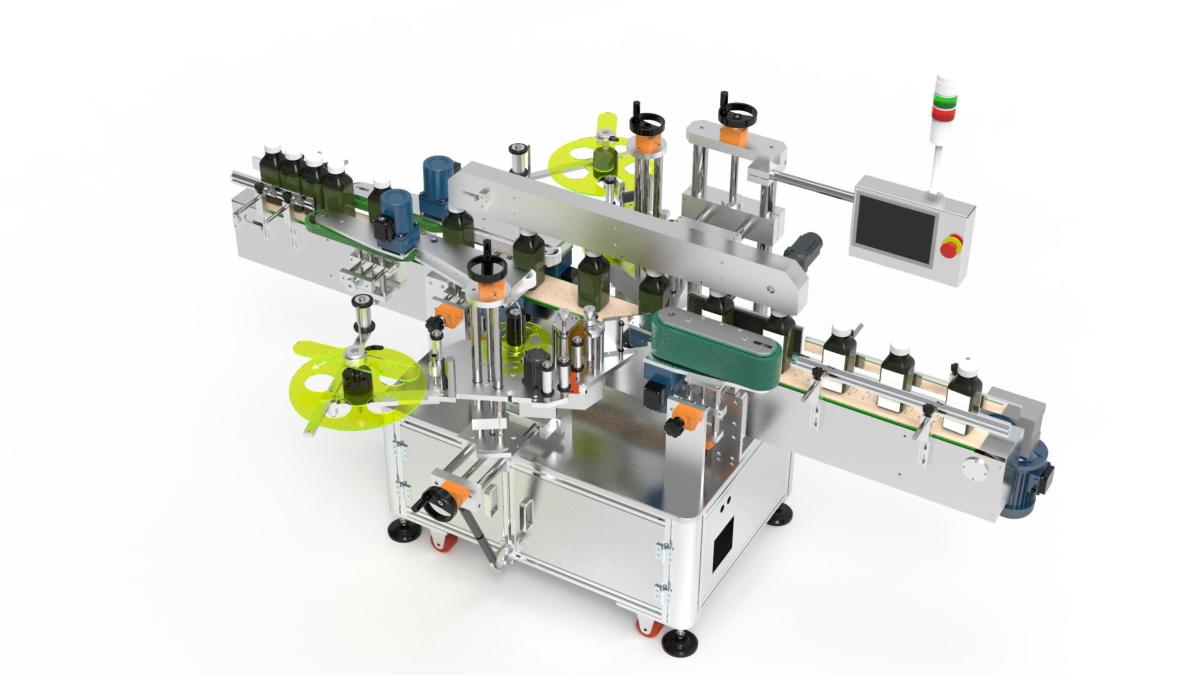
Front Back Labelling Machine
- Front & Back
- Outputup to 100 per minute
- Range20 to 195mm high labels
- OperationAutomatic/Slat Conveyor
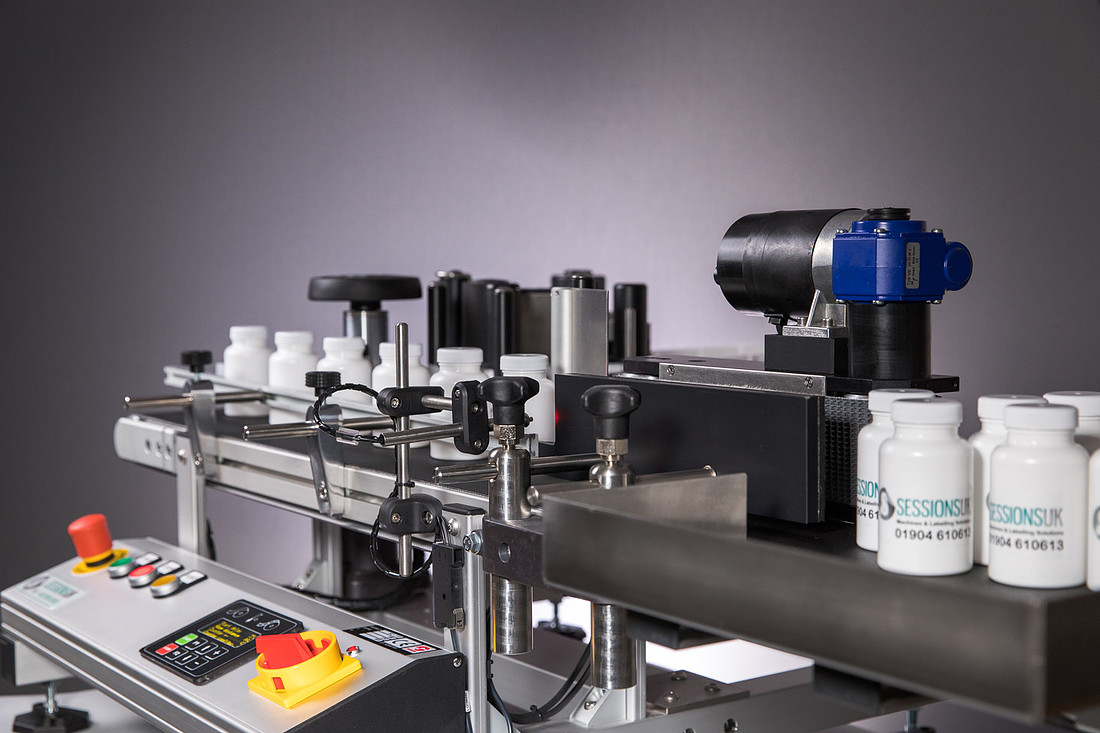
Wrap Round Labelling Machine
- Wrap round
- Outputup to 100 per minute
- Range20 to 100mm diameter
- OperationAutomatic/slat conveyor
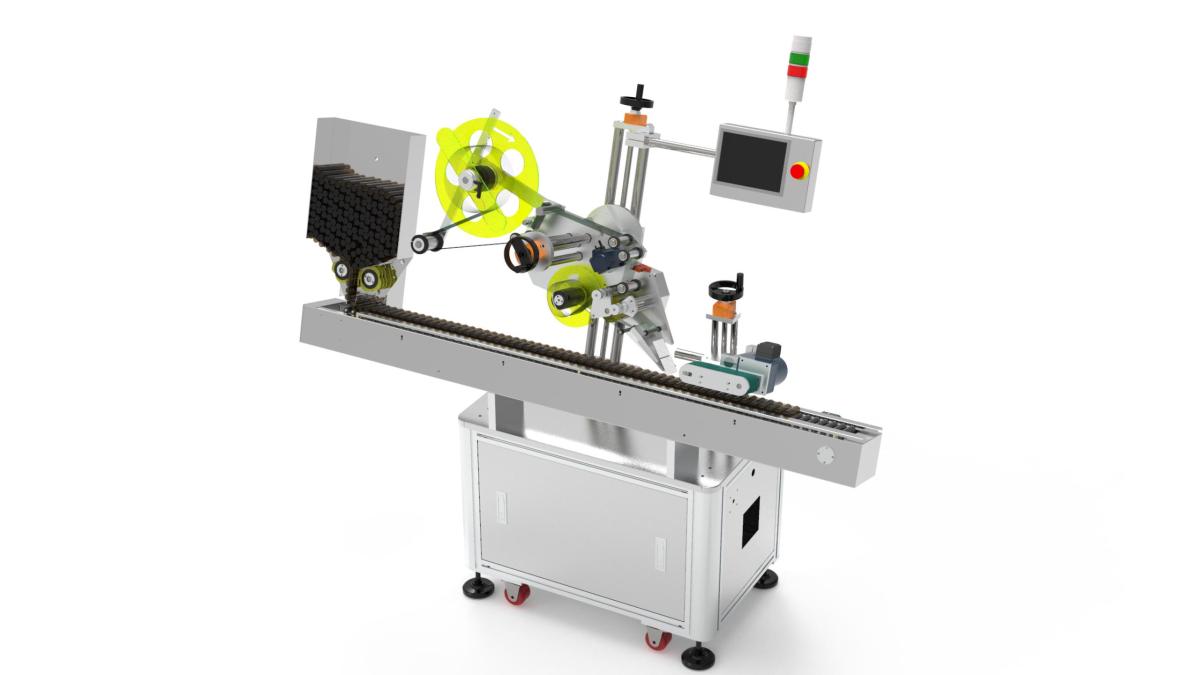
High Speed Tube Labelling Machine
- Wrap round small
- Outputup to 100 per minute
- Range15 to 50mm diameter
- OperationAutomatic/roller conveyor
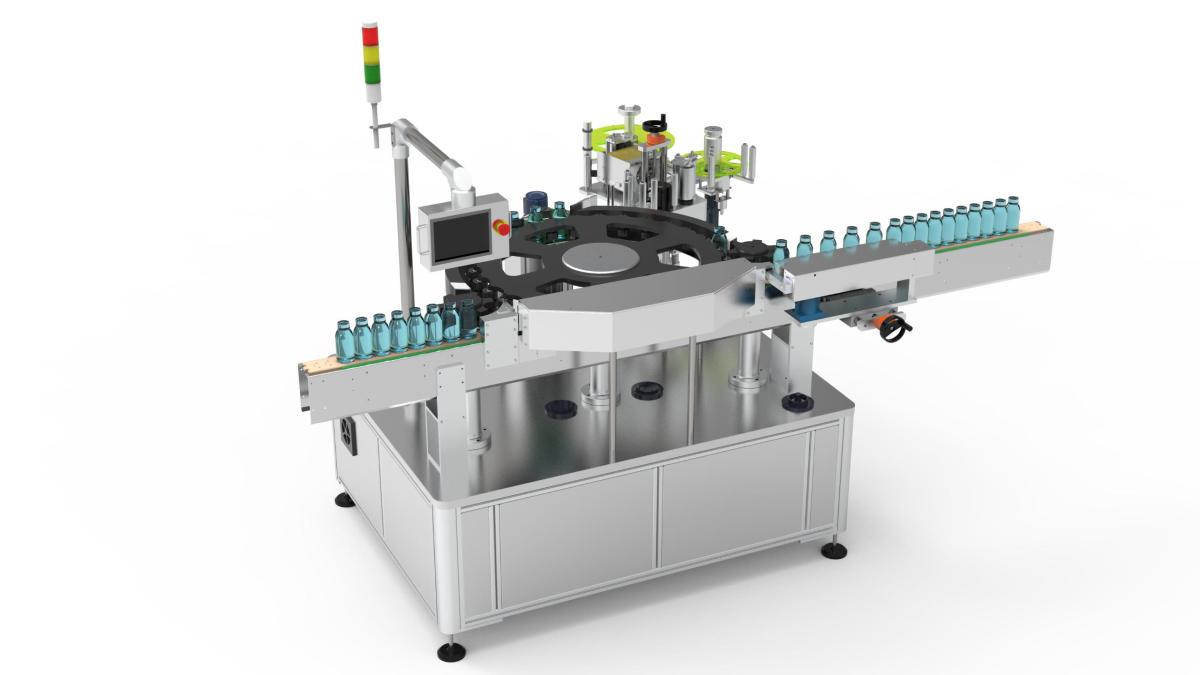
High Speed Wrap Round Labelling Machine
- Wrap round
- Outputup to 150 per minute
- Range20 to 100mm wide products
- OperationAutomatic/slat conveyor
The Benefits of Full Automation in Labelling
Moving from a manual or semi-automatic process to a fully automatic system delivers significant operational advantages. The transition streamlines your entire packaging workflow, offering a rapid return on investment.
Unmatched Speed and Throughput
An automatic labelling machine eliminates the human element, which is the primary bottleneck in any labelling process. These machines can apply hundreds, and in some cases thousands, of labels per hour, easily keeping pace with other automated equipment like fillers, cappers, and cartoners. This ability to maintain a high, consistent speed maximises your line’s overall output and efficiency.
Flawless Consistency and Accuracy
Automation guarantees that every label is applied in the exact same position on every single product. This level of consistency is impossible to achieve manually. The result is a professional, uniform appearance across your entire product range, which enhances brand image and consumer trust. Furthermore, precise placement is critical for ensuring barcodes are always scannable and that regulatory information is always clear and legible, reducing the risk of rejects or recalls.
Reduced Labour Costs and Increased ROI
While there is an upfront capital cost, an automated system significantly reduces long-term labour expenditure. By automating the repetitive task of labelling, you can reallocate staff to more value-added roles within the business. The combination of reduced labour costs, minimised label waste, and maximised production output ensures a strong and measurable return on investment.
How an Automatic Labelling Machine Works
The process of an automated labelling system is a sequence of precisely timed events, all controlled by a central PLC (Programmable Logic Controller).
- Infeed and Product Handling: Products are fed onto the machine’s integrated conveyor. As they travel, a product handling module, such as a spacing wheel or feed screw, separates them to create a consistent gap.
- Product Detection: A sensor (often a photoelectric eye or fibre-optic sensor) detects the leading edge of the product as it moves into the labelling station.
- Label Dispensing: The sensor’s signal triggers the automatic label applicator head. A motor advances the label roll, peeling a single self-adhesive label from its backing paper and leaving it poised for application.
- Application: As the product passes the applicator head, the dispensed label is applied. This is typically done with a wipe-down brush, a soft roller, or a jet of air, ensuring it adheres smoothly without bubbles or creases.
- Outfeed: The now-labelled product continues along the conveyor for date coding, inspection, or onward packing.
Key Components of an Automated Labelling System
Understanding the main components helps in specifying the right machine for your needs.
The Conveyor System
The conveyor is the foundation of the machine, transporting products through the system. They are typically made from stainless steel and can be fitted with different belt or chain types depending on the product’s stability and the factory environment.
The Automated Label Applicator Head
The heart of the machine is the automated label applicator. This self-contained unit houses the label roll, the drive motor, the peel plate, and the sensors. The performance of the applicator head, which is often determined by its stepper or high-performance servo motor, dictates the overall speed and accuracy of the entire Labelling Machines. It is the core technology that makes automation possible. For more detail, read about the role of a label applicator.
Product Handling Modules
Effective product handling is what separates a good machine from a great one. These modules control the product at the point of label application. Common types include top-hold belts to stabilise tall or unsteady items, wrap-around belts for cylindrical containers, and chain-aligners for square or oval bottles.
Control System and HMI
Modern machines are controlled via a user-friendly touchscreen, or HMI (Human-Machine Interface). This allows operators to set parameters like application speed and label position. Advanced systems feature job memory storage, allowing settings for different products and labels to be saved and recalled instantly. This feature, sometimes referred to as automatic labelling machine learning, allows the machine to “remember” dozens of job setups, drastically reducing changeover times between production runs.
Types and Applications of Automatic Labellers
Our automatic systems can be configured for virtually any product or industry.
Automatic Label Applicator for Bottles
This is a primary application, covering everything from beverages to pharmaceuticals. We provide a specialised automatic label applicator for bottles, including wrap-around systems for round containers and front-and-back models for other shapes.
Automatic Label Applicator for Bags and Pouches
Labelling flexible packaging requires careful handling. Our systems can include top-apply applicators for applying labels to flat bags and pouches, or use specialised conveyors to handle filled, unstable packs. The automatic label applicator for bags is a common requirement in the food and coffee industries.
Automatic Label Printer and Applicator (Print & Apply)
For logistics and food traceability, an automatic label printer and applicator is essential. This system combines a thermal transfer print engine with an applicator to print and apply labels with variable data like shipping addresses, batch codes, and barcodes in a single process.
High-Speed and Industrial Systems
While all our machines are robust, we also offer dedicated solutions for the most demanding environments. High speed labelling machines are engineered for maximum throughput, while our industrial labelling systems are built for 24/7 operation in harsh factory conditions.
Integrating an Automatic Labelling Machine into Your Line
Successful integration is key to realising the full benefits of automation. We work with you to ensure the automatic labelling machine is mechanically and electronically synchronised with your existing upstream and downstream equipment. This includes matching conveyor heights and speeds and ensuring a consistent flow of products to the labeller to avoid jams or gaps. Our engineers manage the full installation and commissioning process.
Why Choose Sessions UK?
We have decades of experience in specifying and supplying automated labelling solutions. We understand that every production line is different, and we excel at providing tailored systems for critical sectors like the labelling machines for food and pharmaceutical labelling machines industries. Our UK-based support team ensures you have the technical backup you need to keep your line running.
Get a Quote for an Automatic Labelling Machine
Ready to take the next step in automating your production? Contact the Sessions UK team today. We can provide a detailed quote based on your product, label, and production line requirements.