Predictive Maintenance for Labelling Machines: KPIs, Sensors, Scheduling
Sessions UK | 14th Apr 2026
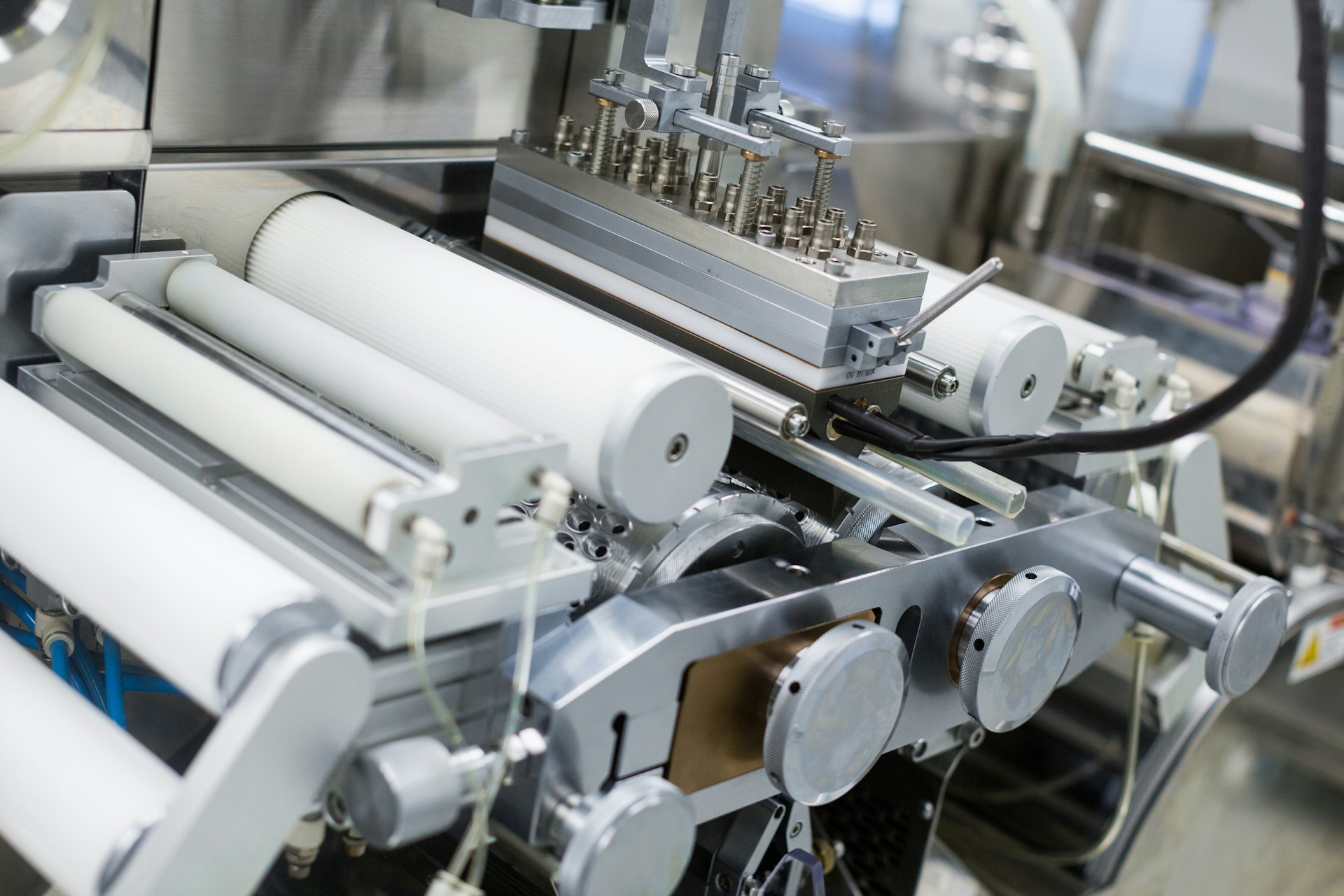
Unplanned stoppages on a labelling line do more than slow things down. They hit output, cause stress on the line, and can even put product quality and compliance at risk. Predictive labelling machine maintenance helps you see problems early, plan repairs, and keep labels and codes where they belong, on the product and in spec.
In this article, we walk through how predictive maintenance works for food, beverage, and pharmaceutical labelling lines, which KPIs and sensor signals matter, and how to build a schedule that fits around busy seasons like spring and early summer. The aim is simple, fewer surprises, steadier throughput, and better print and label quality.
Cut Unplanned Downtime with Smarter Labelling Care
On a labelling line, predictive maintenance means using real data from machines to decide when to service them. Instead of waiting for a breakdown or following a fixed calendar, you respond to how the machine is actually running. That is especially helpful when you have multiple label printers, applicators, and inspection systems working together.
Spring and early summer are peak times for many food, drink, and pharma producers. You might be running:
- Promotions and multipacks
- New product launches and brand refreshes
- Seasonal SKUs and limited runs
If a labelling machine fails in the middle of that, you can end up with scrapped product, last-minute overtime, and late orders. Predictive care turns much of that risk into planned, shorter service windows that fit between runs instead of blowing up your schedule.
Why Predictive Maintenance Beats Run to Fail
There are three common ways people look after labelling equipment:
- Reactive maintenance, fix it when it breaks
- Preventive maintenance, service on a time or usage schedule
- Predictive maintenance, service based on condition and data
Run to fail is reactive. It might feel simple, but it often means emergency stoppages, rushed part orders, and late night callouts. Time-based preventive work is better, but it can still mean changing parts that had plenty of life left, or missing issues that appear between planned services.
Predictive maintenance uses real condition data to spot wear before it turns into a failure. When you act early, you are more likely to:
- Avoid sudden stoppages during long production runs
- Reduce overtime labor and weekend work
- Cut rush-part shipments for things like printheads and drive components
For food and beverage producers, that also keeps date codes clean and readable. For pharmaceutical packing, it supports barcode quality and traceability, helping you stay aligned with strict labelling rules and audit demands.
Key KPIs to Track on Labelling Lines
To move toward predictive labelling machine maintenance, it helps to start with a few clear KPIs. Some of the most useful are:
- OEE, how much good product you run compared with what is possible
- Mean Time Between Failures (MTBF), average runtime between breakdowns
- Mean Time To Repair (MTTR), average time to fix a failure
- Changeover time, how long it takes to switch SKUs, labels, or formats
These numbers should also tie back to label quality. That might include:
- Misapplied labels per shift
- Unreadable or missing codes per batch
- Waste per label roll or ribbon
- Product rework due to labelling problems
When OEE drops, or waste per roll rises, that is a sign to dig into machine health. We often help sites review their current KPIs, look at recent labelling faults, and then set practical targets ahead of high-demand windows, such as late spring drink runs or warm weather pharma product peaks.
Turning Sensor Data Into Early Warning Signals
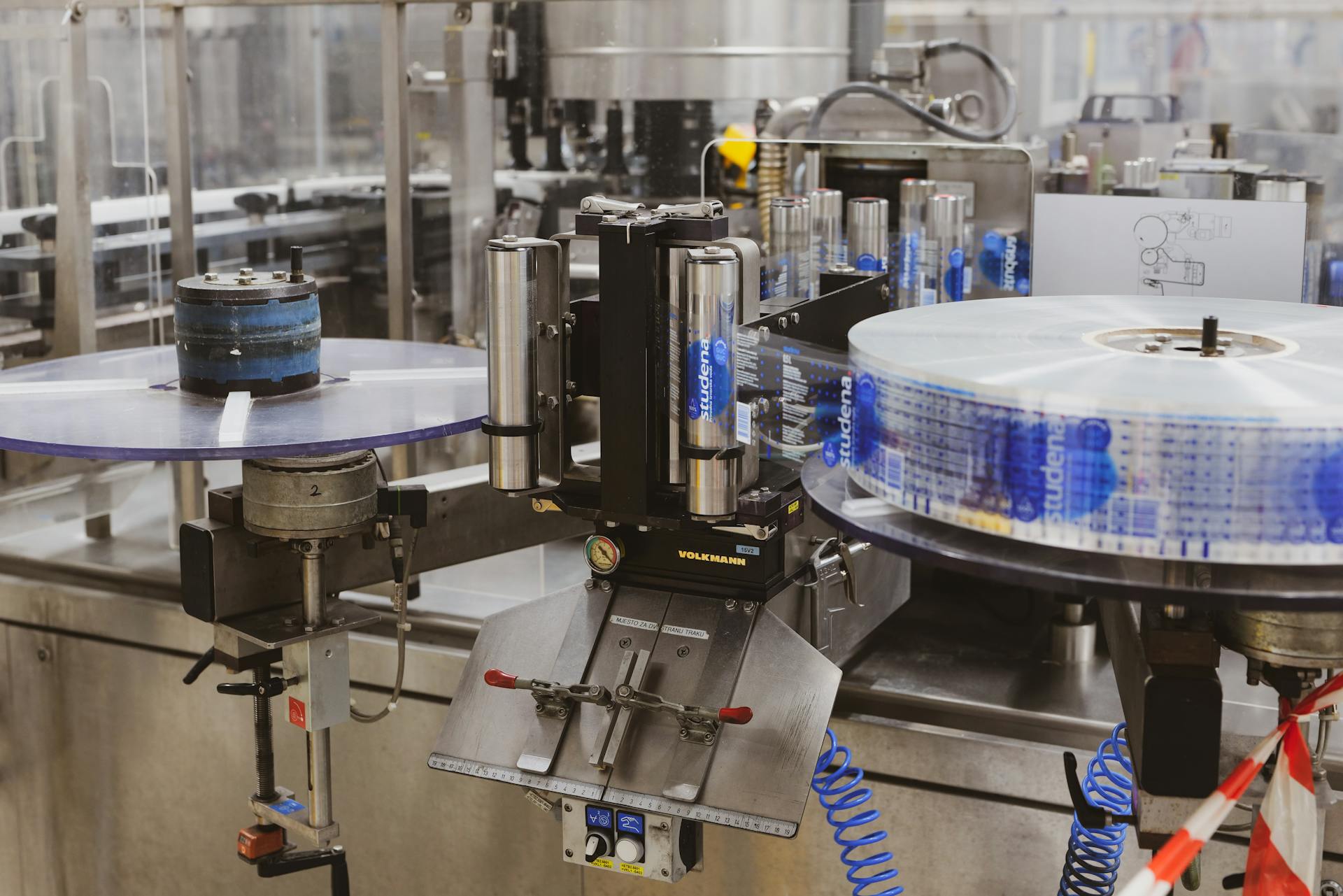
Modern labelling machines, printers, and applicators can give you a lot of useful data. Some common sensor points include:
- Temperature on motors and control boards
- Vibration on applicator heads and drive assemblies
- Torque or load on key drives and unwinders
- Printhead health readings and duty cycle
- Label web tension measurements
- Encoder feedback for speed and position
Early wear often shows up in these signals long before a hard failure. For example:
- Slowly rising vibration on a label head can hint at a bearing starting to fail
- An increasing printhead duty cycle can point to dirty nozzles or worn parts
- Erratic label feed or web tension spikes can signal worn rollers or guides
By feeding this data into your line control system or a simple dashboard, your engineers can see clear alerts instead of hunting through alarms. A growing trend, higher than normal cycles, or frequent small faults can trigger a planned check, instead of waiting until the applicator stops mid-shift.
Building a Predictive Maintenance Schedule That Works
A good predictive plan blends three things, what has failed before, what your KPIs are telling you, and what the live sensor data shows. Start by reviewing breakdown history for your labelling machines, printers, and conveyor interfaces. Look for patterns, such as repeated faults on a certain head or drive.
Then layer on current KPIs and data trends. From there you can rank risks and build a risk-based plan that:
- Focuses first on the components with the highest impact
- Sets data thresholds that trigger inspections
- Groups tasks so the same area is not opened up twice
Timing matters too. You want maintenance to support production, not fight it. Many sites plan predictive tasks:
- Between shifts or on shorter runs
- Just before known seasonal spikes
- During label or format changes when the line is already stopped
Working with equipment suppliers for spare parts planning and remote diagnostics can make this smoother. For example, having common wear items on site, and scheduling service visits around your busiest weeks, keeps disruption low and confidence high.
Practical Steps to Start with Your Existing Equipment
You do not need a full smart factory to begin. Start with a simple audit of your current labelling machines, print and apply systems, and label handling. Check:
- What data you already have from machines and line controls
- Which faults show up most often in logs
- Where operators see small problems during normal runs
From there, you can build a phased roadmap. A typical path looks like this:
1. Start tracking basic KPIs like OEE, MTBF, MTTR, and key quality metrics.
2. Add simple sensors or use built-in data from printers and drives.
3. Set up basic dashboards and alerts for a few high-risk points.
4. Over time, tighten thresholds and adjust tasks to match what you learn.
People are a big part of this. Training operators to perform first-line checks and to report small changes, such as new noises, label skew, or extra cleaning needed on printheads, is just as important as the hardware. Clear standard work instructions help teams in busy UK plants spot early signs without slowing the line.
Partnering with Sessions UK to Stay Ahead of Breakdowns
At Sessions UK, we supply specialist labelling machinery, printers, and labels, along with contract and bureau labelling services for sectors such as food, beverage, and pharmaceuticals. Because we see a wide range of lines and setups, we understand where predictive maintenance can give you quick wins and where a deeper plan is needed.
We help producers choose and integrate labelling equipment with the right data and control options, then support them as they build their own predictive routines. Service contracts, remote support, and smart spare parts strategies can all fit around a predictive approach. When your own lines are at capacity or you need cover during maintenance work, our bureau labelling services can also support your throughput so you are not forced into risky run to fail choices at the busiest times.
Keep Your Labeling Line Reliable And Efficient
Consistent, proactive labelling machine maintenance helps you avoid costly downtime and protect your production schedule. At Sessions UK, we work with you to identify the right servicing approach for your equipment and operating demands. If you would like tailored guidance or need support with a current issue, please contact us so we can help keep your line running smoothly.