Question-Based Guide to Choosing Food Labelling Machines
Sessions UK | 08th Apr 2026
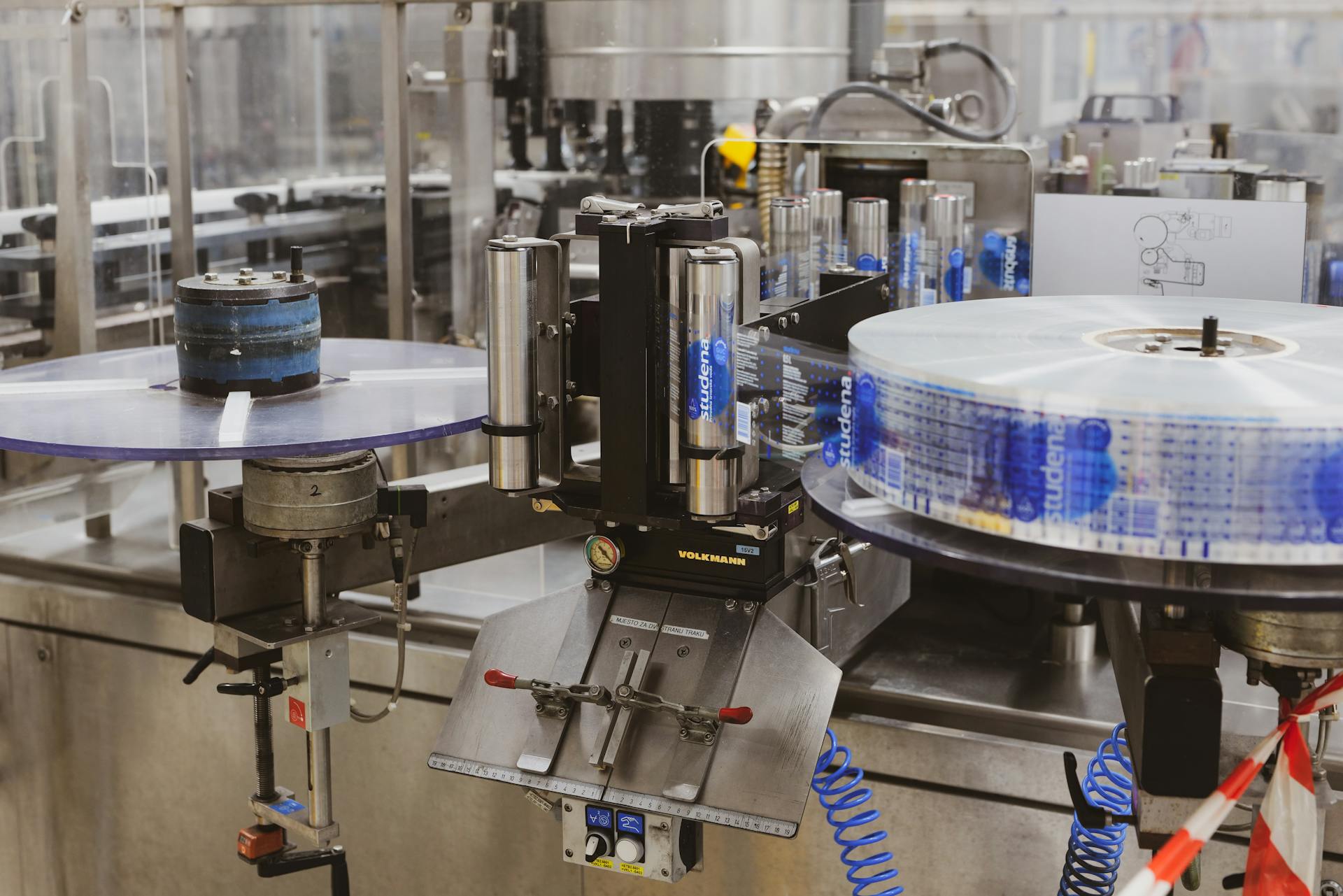
Food labelling machines are not just another piece of kit on your line. They shape how your food looks, how safe it is to sell, and how quickly you can get orders out the door. When you choose the right system, your labels stay put, your data is correct, and your team is not fighting with the machine every shift.
In this guide, we walk through simple, practical questions you can ask before you buy. By the end, you will have a clear checklist to help you match the machine to your products, your space, and your future plans, not just what you are running this week.
Ask This First: What Are You Really Labelling for?
Before you look at models or specs, get clear on the job your food labelling machines actually need to do. Start with the main reasons you label:
- Compliance: allergens, nutrition, ingredients, use-by or best-before dates
- Branding: color labels, premium finishes, consistent placement
- Traceability: batch codes, barcodes, QR codes for recalls or tracking
Most food producers need a mix of all three. Knowing which matters most helps you decide if you should focus on print quality, variable data, or application speed.
Next, look at what you are putting labels on. Are your products:
- Chilled or frozen
- Ambient or shelf-stable
- Oily, wet, or powdery
- Irregular, flexible, or very small
These details affect adhesive choice, printer type, and machine design. For example, chilled packs in a damp area usually need different labels and setups than dry cartons in a clean, warm room.
Finally, think about seasonality. Many food lines in the UK ramp up for summer BBQ ranges, Easter launches, or winter holiday gift packs. Your machine should handle your busiest weeks, not only the quiet ones.
Which Products and Packaging Must Your Machine Handle?
Now zoom in on the packaging itself. Make a list of every format you use now and expect to use soon. Common ones include:
- Trays and tubs
- Bottles and jars
- Pouches and flow-wrap
- Cartons, clamshells, and multi-packs
Then ask what kind of label placement you actually need. For example:
- Front and back labels on bottles or jars
- Wraparound labels on pots or sleeves on ready meals
- Top and bottom labels on trays
- C-wrap or tamper-evident labels on lids and closures
Do you label flat, curved, tapered, or uneven surfaces? The more variety you have, the more flexible the machine needs to be.
Size matters too. Note:
- Smallest and largest packs
- Tallest and shortest containers
- Minimum and maximum label sizes
- Preferred label roll diameters
This helps you avoid buying a machine that cannot cope with your next product idea or a new retailer pack size.
How Will Food Safety and Compliance Shape Your Choice?
Food safety rules are strict for good reason. Your labels need to support all the information your product requires, such as:
- Allergen emphasis in ingredient lists
- Clear nutrition panels
- Country of origin
- Storage and cooking instructions
- Use-by or best-before dates and batch codes
Ask how easy it is for your team to keep this information up to date. Do you need:
- Central database control for recipes and allergens
- Locked templates so operators cannot change key fields
- Links into your current ERP or production systems
Good control reduces the risk of mislabels, which can lead to waste or product recalls.
Also consider hygiene and audit demands. For many food plants, especially chilled and wet areas, you may need:
- Stainless steel frames and guards
- IP-rated enclosures that handle washdown
- Print verification to check codes and barcodes
- Clear audit trails for retailers and accreditation bodies
The right build and controls make it easier to pass inspections and keep your line safe and compliant.
What Speed, Space, and Workflow Fit Your Production Line?
Next, match the machine to your line speed and layout. Start by mapping your current speeds and your targets for peak production. Will the labeller keep up while still placing labels accurately and printing readable codes?
Space is often tight around fillers, sealers, and checkweighers. Ask yourself:
- Where exactly will the labeller sit?
- Do you need a compact or modular unit?
- Would an offline print-and-apply setup fit better with your flow?
Also look at setup and changeover. Every minute you spend swapping label rolls or changing product guides is time you are not packing:
- How long does a roll change take?
- How easy is it to switch between SKUs?
- Can operators load new label formats without calling an engineer?
Quick, simple changeovers are especially helpful if you handle lots of shorter runs for different retailers or private-label lines.
Do You Need Printing, Overlabelling, or Both?
Not every line needs the same level of printing power. Start by asking what kind of data your labels must carry. Is it just fixed artwork, or do you also need:
- Use-by dates and batch codes
- Barcodes or QR codes
- Pricing, weights, or promotional messages
From there, you can compare options like:
- Apply-only systems for fully pre-printed labels
- Integrated thermal transfer or inkjet printers for on-demand dates and codes
- Dedicated overlabelling systems for imports, rebrands, or correcting packaging errors
Think about how often your labels change. Do you run frequent promotions, retailer-specific SKUs, or private-label variants? If so, you need a system that swaps between formats quickly without major retooling or long pauses.
Overlabelling can also help you handle short seasonal runs or fix packaging that arrives with the wrong information, without scrapping good product.
How Important Are Service, Support, and Total Cost?
The sticker price of a machine is only one part of the picture. It also helps to look at:
- Label and ribbon use
- Planned maintenance
- Risk of unplanned downtime
- Cost of mislabels, rework, and rejected pallets
For food producers working with short shelf-life, every hour counts. Ask about:
- Response times and engineer coverage
- Spare parts availability
- Preventative maintenance plans
- Remote diagnostics and support
Reliable backup gives you more confidence when you are under pressure to hit retailer delivery windows.
There are times when bringing in outside help makes sense too. Contract labelling, overlabelling, or specialist label supply can be useful for:
- Product launches
- Rebrands and packaging changes
- Peak-season surges when your own lines are full
These options give you breathing space while you scale or upgrade your own machinery.
Turn These Questions Into Your Food Labelling Action Plan
Once you have answered these questions, you can turn them into a clear action plan. Shortlist food labelling machines based on:
- Product and packaging mix
- Compliance and traceability needs
- Speed, space, and workflow
- Flexibility for future products
- Service and support expectations
Then test your ideas against what you know is coming over the next year or two. Are you planning new formats, new retailers, or more seasonal ranges? Make sure your labelling capacity will cope with growth, not just survive the next audit.
At Sessions UK, we work with food producers across many sectors, from chilled ready meals to ambient jars and dry goods. We review current lines, test real sample products, and help build tailored setups that combine machinery, specialist labels, and ongoing support that fits UK production environments, weather, and retailer demands.
Get Started With Reliable Food Labeling Machines Today
If you are ready to improve accuracy, speed, and consistency in your packaging line, explore our range of food labeling machines tailored to different production volumes and label types. At Sessions UK, we work with you to match the right solution to your workflow, budget, and compliance needs. Have questions or need a custom recommendation? Simply contact us and our team will help you plan the best setup for your operation.