Inside Automated Labeling Machines for High‑Speed Bottle Lines
Sessions UK | 22nd Mar 2026
How High-Speed Labeling Transforms Bottle Production
High-speed bottling lines work hard when spring and early summer hit. Drinks move faster, orders stack up, and every small delay on the line suddenly matters. One part of the line that can quietly slow everything down is labeling, especially when bottles need clear dates, batch codes, and branding that retail buyers will accept without question.
Automated labeling machines sit right in the middle of the action. They connect filling, coding, and case packing, and help make sure each bottle gets the right label in the right spot, at the right time. When they run well, the whole line feels smoother. When they struggle, you feel it in backups, rework, and late loads.
On high-speed bottle lines, the labeler really acts like a traffic controller. It has to take in a steady flow of bottles, match that flow with a steady flow of labels, and keep up with coders and inspection gear. If any part falls behind, everything slows. As demand climbs in warmer months across drinks, sauces, and fast-moving consumer goods, that control becomes more important than ever.
At Sessions UK, we work with automated labeling machines every day. We not only supply them, we also keep them running cleanly with service, contract labeling, and over-labeling support. Here, we will walk through what is happening inside a bottle labeler, how speed and accuracy are managed, and what you can do to stay ready for your next busy season.
Core Components That Keep Bottle Labelers Moving
Automated labelers may look simple from the outside, but inside they are a mix of moving parts, sensors, and control software that all need to work in step.
Key mechanical parts usually include:
- Conveyors that carry bottles through the machine
- Infeed systems that guide bottles into the right position
- Spacing devices like wormscrews, starwheels, or belts that separate bottles
- Label applicator heads that peel and place the label onto the container
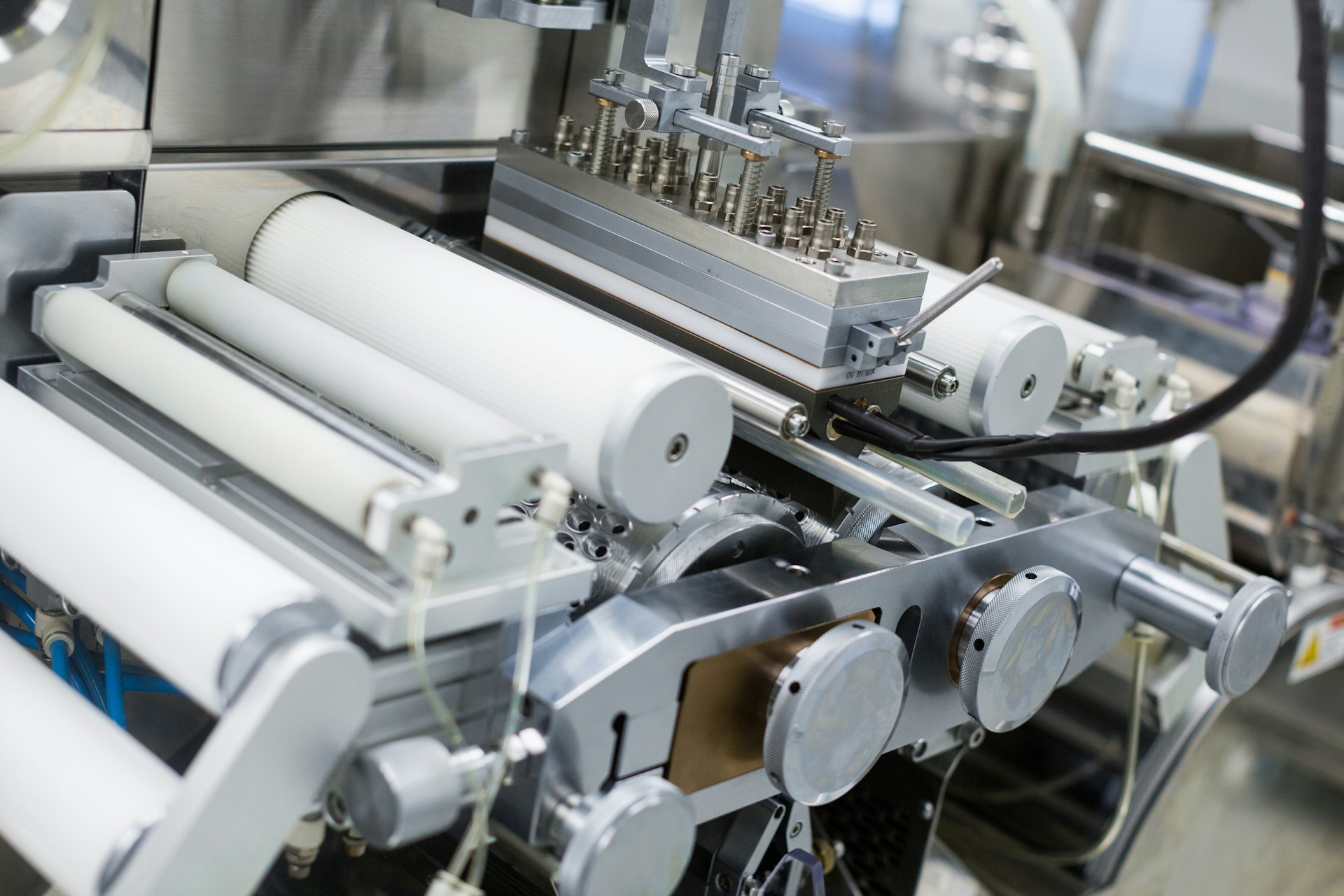
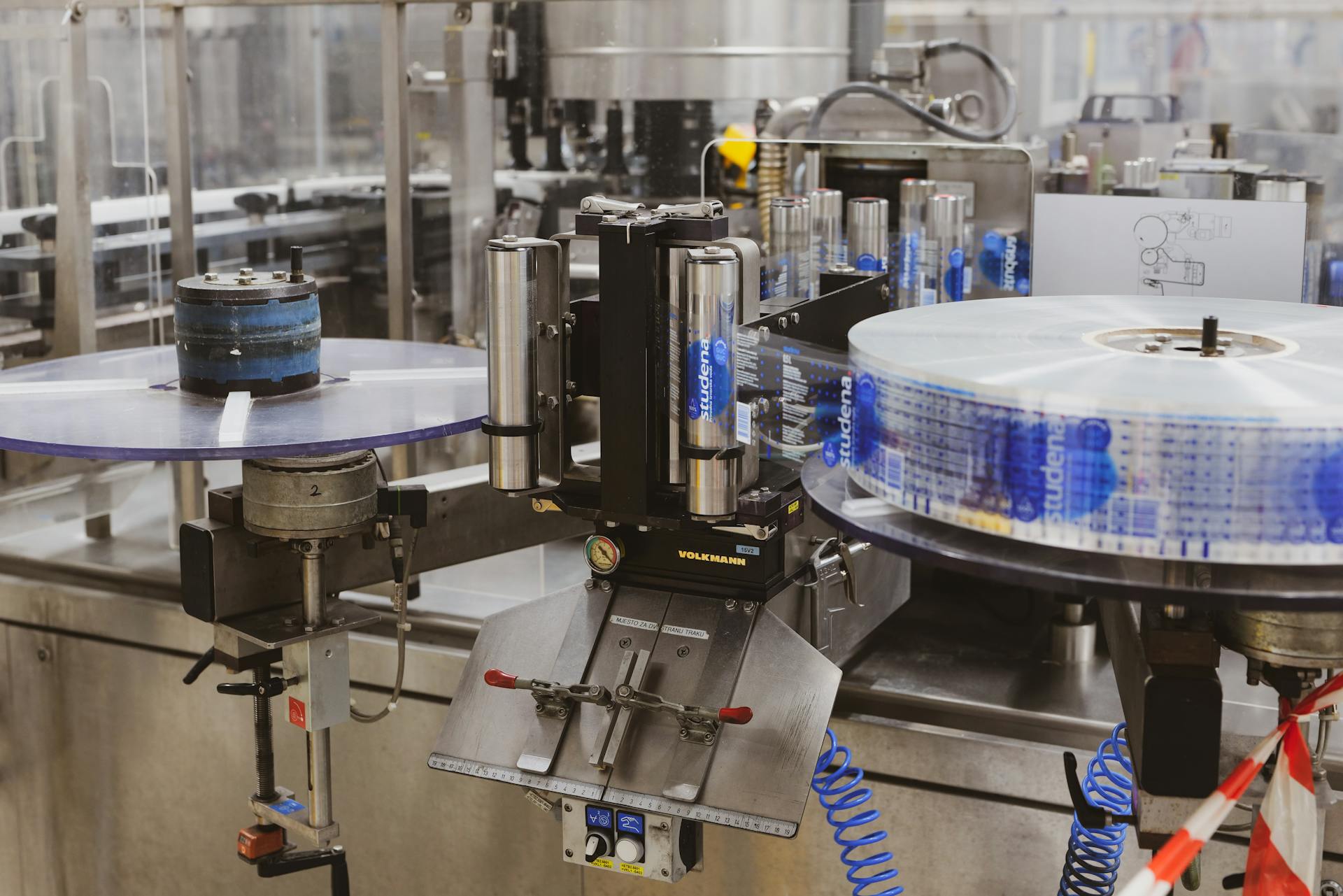
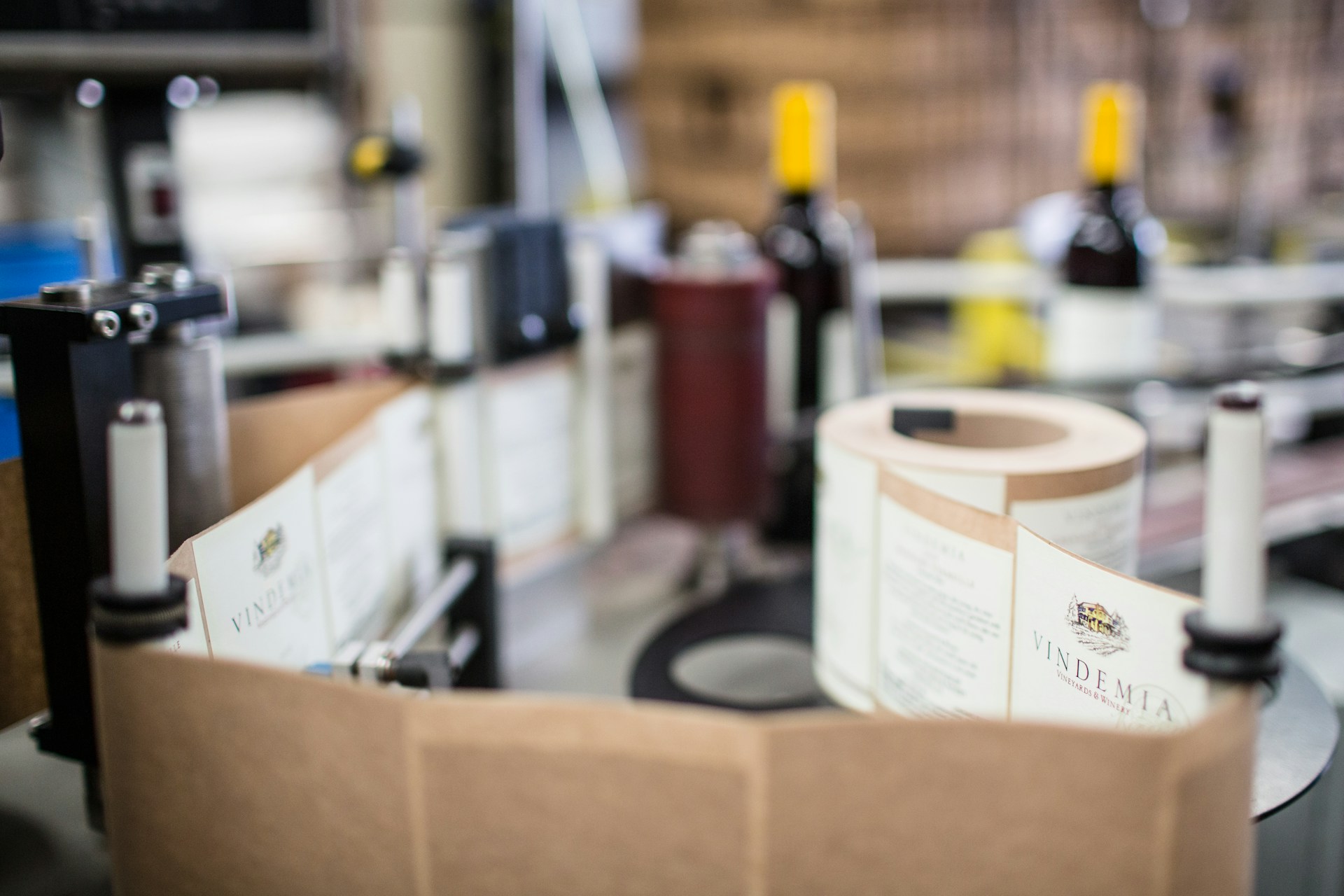
The conveyor brings bottles in at a steady pace. The infeed and spacing systems then line them up, control gaps, and keep them stable so labels can land cleanly even at high speed. The applicator head handles the label web, peels each label off the backing, and applies it with controlled pressure.
On the control side, automated labeling machines rely on:
- PLCs to control timing and motion
- HMIs so operators can set speeds, recipes, and alarms
- Encoders that track conveyor movement
- Sensors and vision systems that watch bottles and labels in real time
These controls help the machine keep label placement tied to bottle position, even if the line speeds up or slows down slightly. Sensors look for bottle presence, label on the web, and correct orientation. Vision systems can add another layer of checks when print quality or graphics are critical.
Label handling is also a big part of keeping lines running:
- Unwind units feed fresh label rolls smoothly
- Rewind units collect the used backing paper
- Tension control keeps the web tight but not stretched
- Web guides keep the label strip centered and stable
Good engineering here cuts down on label breaks, misfeeds, and waste, which is especially important during long shifts. The best automated labeling machines strike a balance between strong mechanical builds and smart controls, so they can handle frequent changeovers without lots of manual tweaks.
How Automated Labeling Machines Handle Speed and Precision
Labeling thousands of bottles per hour is hard enough. Doing it without skewed labels, bubbles, or gaps is even harder, especially with narrow bottles, tapered shapes, or slick surfaces like chilled glass.
To keep placement tight, many systems use servo-driven applicators. Servos give very fine control over label speed, angle, and pressure. The machine can match the label speed to the surface of the bottle, so the label does not stretch or slip.
Different modules handle different jobs:
- Wrap-around stations that roll one label all the way around the bottle
- Front-back stations that place two separate labels in precise positions
- Top or neck labelers for tamper evidence or promotions
Synchronization is key. The labeler tracks bottle speed and adjusts automatically. If upstream filling slows for a moment, the label feed and application adjust to match. This keeps labels landing in the same spot even when conditions change.
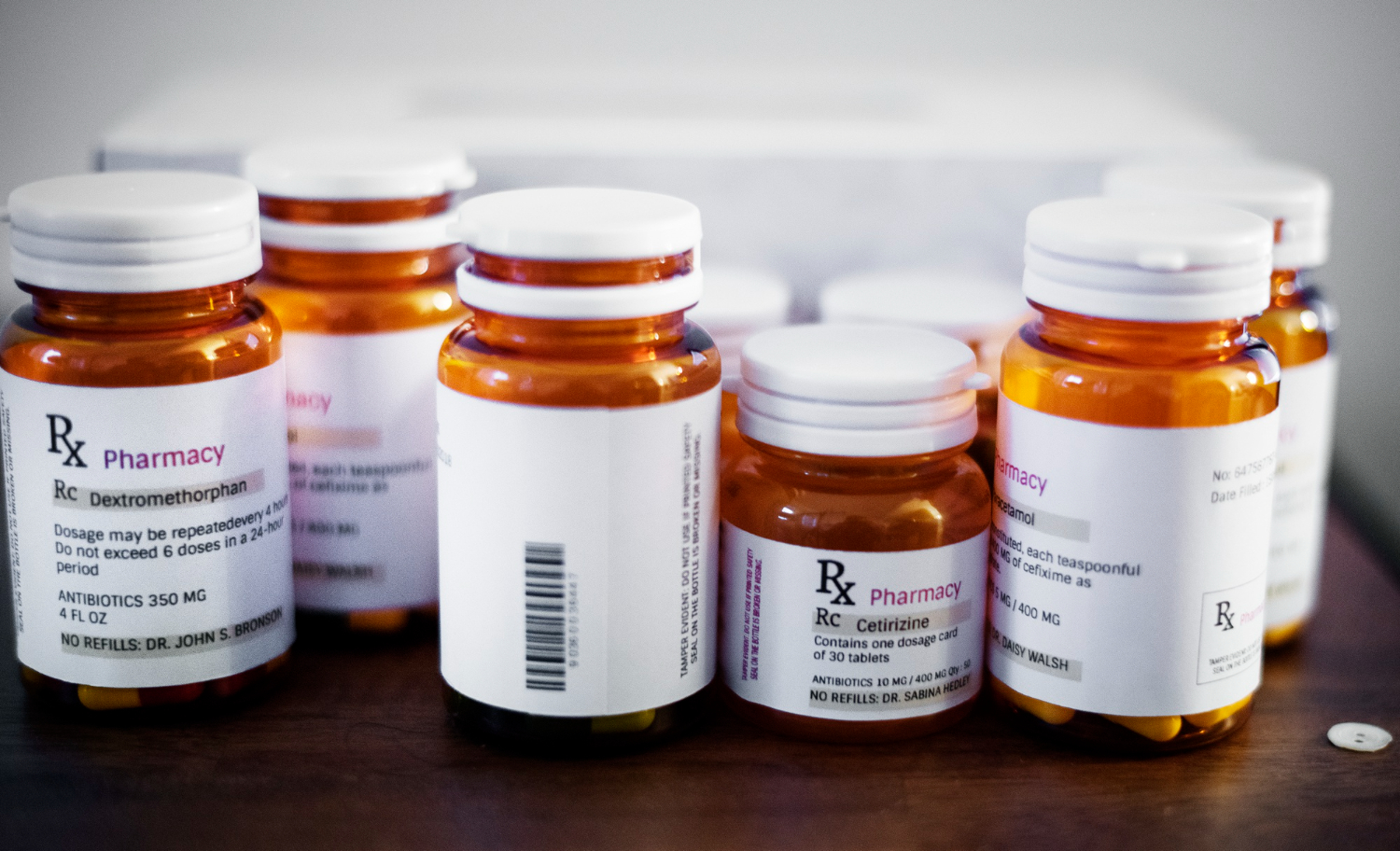
Coding and marking often sit right with the labeler. That way, batch codes, use-by dates, and barcodes can be added inline, then checked with sensors or vision for clarity and presence. Food, beverage, pharmaceutical, and healthcare lines depend on this for compliance and traceability.
At Sessions UK, we work with glass, PET, and metal containers in all kinds of environments, from dry and dusty to wet and sticky. The way a label is applied on a cold, wet bottle is different from a warm, dry one, so we pay close attention to materials, adhesives, and application pressure so labels stay readable all the way through the supply chain.
Smarter Labeling Through Sensors, Software, and Data
Modern automated labeling machines are not just mechanical workhorses. They also act as smart stations feeding data back into the plant.
Recipe management is one of the most useful features. Operators can select a product on a touchscreen, and the machine adjusts settings like:
- Label position and wrap length
- Bottle spacing and conveyor speed
- Print layout for codes and dates
This cuts changeover time and reduces the chance of someone forgetting a setting during a busy shift.
Sensors and vision inspection play a big role in quality control. They can spot:
- Missing labels
- Skewed or wrinkled labels
- Wrong label type for the product
- Poor print or unreadable codes
When a fault is found, reject devices can push bad bottles off the line without stopping the whole system. This keeps output high while still protecting brand and safety standards.
Data from labelers can feed into OEE dashboards and plant reports. This helps spot patterns such as rising stoppages, extra rework, or growing waste. Maintenance teams can then plan service before a small problem becomes a major breakdown. For regulated sectors, these records also support audits and help show that label and code controls are under control.
Retailers and regulators continue to demand clear traceability and accurate allergen information. Smart labelers help make sure the right data is printed and that there is a trail to prove it if questions come up.
Keeping Your Line Running with Service and Over-Labeling
When warmer weather hits and orders grow, no one wants to lose time because of a worn roller or a tired sensor. Preventive maintenance before and during busy months is one of the simplest ways to protect output.
A good maintenance plan often includes:
- Regular cleaning and inspection of label paths and sensors
- Replacing wear parts before they fail
- Checking backups of recipes and parameters
- Training operators to spot early warning signs
Sessions UK supports customers with on-site servicing, maintenance help, and spare parts planning so automated labeling machines stay in good shape across long runs. Remote diagnostics can also help spot issues quickly, so fixes happen faster and with less trial and error.
Sometimes, demand spikes beyond what in-house lines can handle, or labels and recipes change faster than your team can adjust. Contract labeling and bureau over-labeling can fill that gap. Product can be labeled or re-labeled off-line, freeing your main line to stay focused on core runs.
Over-labeling is especially useful when:
- Regulations change and you need new text or languages
- Branding is updated but you still hold old stock
- Promotions or seasonal offers need quick turnaround
Instead of scrapping finished goods, a well-planned over-labeling step can bring products back into compliance and keep them moving to customers. For many operations, this flexibility is just as important as raw line speed, particularly during busy seasons across the UK when supply chains are tight and lead times are short.
Boost Labeling Efficiency With Automated Solutions
If you are ready to streamline production and improve consistency, explore our range of automated labeling machines tailored to your operation. At Sessions UK, we work with you to identify the right configuration so your team can save time and reduce errors. Have questions about integration, customization, or lead times? Simply contact us and we will help you move your project forward.