
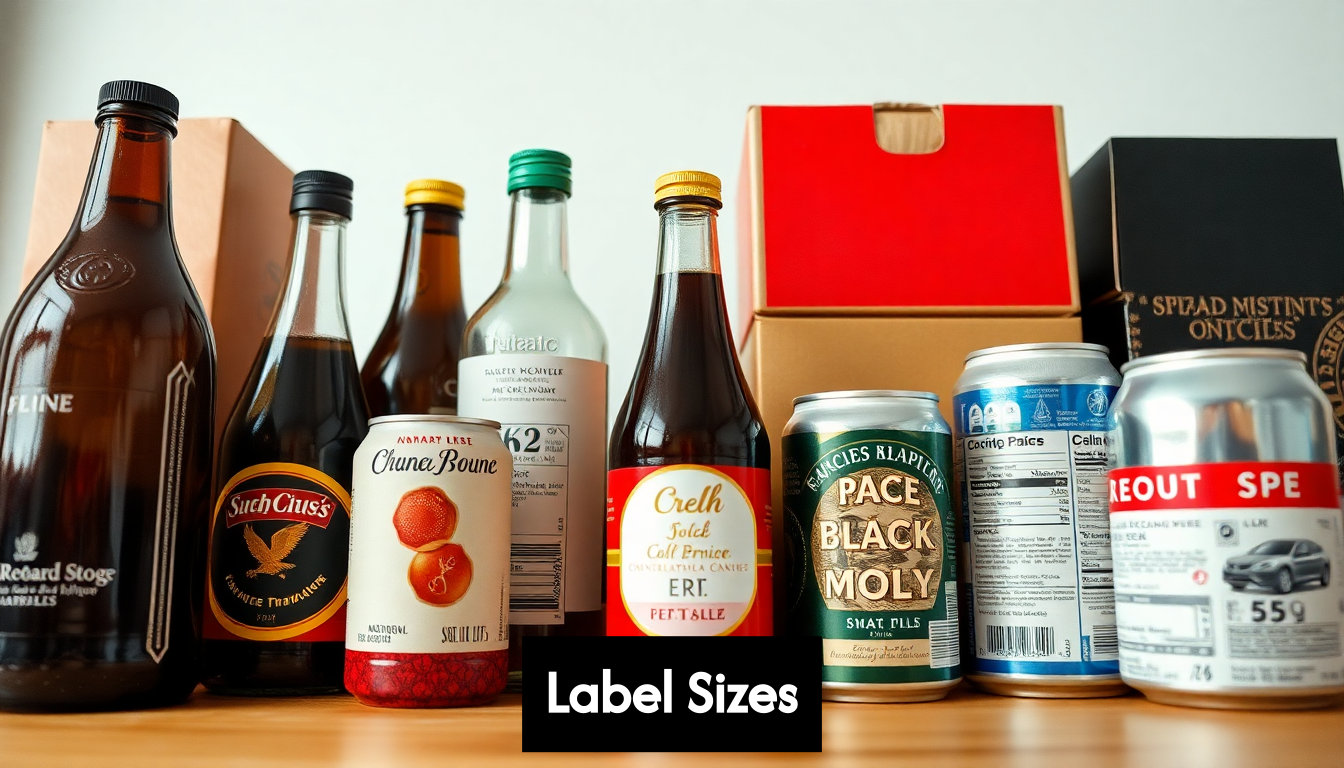
Label size is not merely a design detail; it plays a crucial role in compliance and consumer experience. Accurate label dimensions are mandated by law, with the UKCA marking requiring a minimum height of 5mm. But here’s the kicker: while many think that larger labels are better for visibility, they can actually overwhelm consumers with too much information. The real game changer is achieving the perfect balance where clarity meets compliance. After all, a well-sized label not only adheres to regulations but also enhances brand perception and consumer safety.
| Takeaway | Explanation |
|---|---|
| Label size impacts regulatory compliance | Accurate label dimensions are legally mandated to ensure visibility and legibility, such as the UKCA marking needing a minimum height of 5mm for compliance. |
| Consumer safety is influenced by readability | Clear and properly sized labels help communicate essential information like allergens and usage instructions, reducing the risk of health complications for consumers. |
| Adapting to industry-specific standards is crucial | Different industries have unique label requirements; hence, it’s essential to understand these specifics for effective label size selection and compliance. |
| Measurement tools enhance precision | Tools like digital calipers and software solutions streamline the label selection process and ensure accurate dimensions tailored to packaging needs. |
| Emerging trends in label design require flexibility | New regulations and technology drive changes in label formats and specifications, necessitating a proactive approach to maintain compliance and effective communication. |
Label size is far more than a simple design consideration – it’s a critical component of product communication, compliance, and consumer experience. The dimensions and clarity of product labels can significantly impact regulatory adherence, brand perception, and ultimately, product success.
In the United Kingdom, product labelling isn’t just about aesthetics – it’s a legal mandate with precise specifications. For instance, the UKCA marking must be at least 5mm in height, ensuring visibility and legibility. This requirement isn’t arbitrary; it’s designed to guarantee that critical product information is clearly communicated to consumers and regulatory bodies.
Food packaging presents an even more nuanced challenge. UK food labelling regulations mandate specific minimum font sizes for nutrition information. Standard packages require a minimum font height of 1.2mm, which can be reduced to 0.9mm for smaller packages with less than 80 cm² surface area. These precise guidelines ensure that consumers can access essential nutritional details regardless of package size.
Beyond regulatory compliance, label size directly influences consumer understanding and product perception. A label that’s too small can obscure critical information like ingredients, allergens, usage instructions, and expiration dates. This isn’t just an inconvenience – it can pose serious health risks, particularly for consumers with dietary restrictions or medical conditions.
Moreover, label size impacts brand perception. A well-designed, clearly legible label communicates professionalism and attention to detail. Conversely, cramped, hard-to-read labels can suggest low quality or a lack of consumer consideration. For businesses across industries – from pharmaceuticals to food production – the label is often the first point of interaction with potential customers.
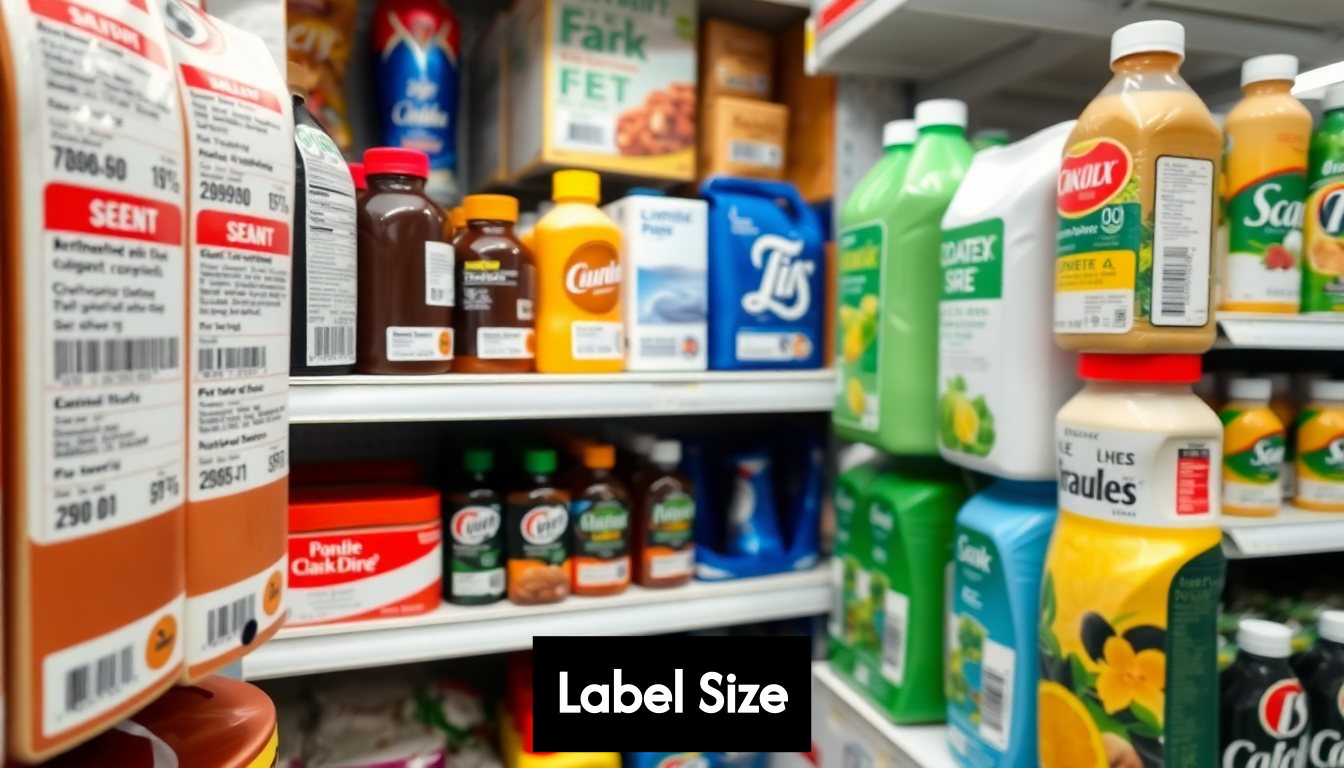
With increasing global and inter-regional trade, label size becomes even more critical. Take, for example, the evolving regulations between Great Britain and Northern Ireland. From July 1, 2025, individual goods moving between these regions must be correctly labeled, highlighting the intricate requirements of modern product distribution.
For procurement officers, product development engineers, and operations managers, understanding label size requirements isn’t just a technical detail – it’s a strategic necessity. The right label size ensures compliance, facilitates clear communication, protects consumer safety, and supports seamless product distribution across complex regulatory landscapes.
Ultimately, how to choose label sizes is a multifaceted decision that requires careful consideration of legal requirements, consumer needs, and brand communication strategies. It’s not just about fitting information onto a product – it’s about creating a clear, compliant, and compelling product presentation.
Selecting the appropriate label size is a nuanced process that requires careful consideration of multiple interconnected factors. Beyond simple aesthetic preferences, label sizing demands a strategic approach that balances regulatory requirements, product characteristics, and practical communication needs.
The physical dimensions and shape of your product’s packaging serve as the primary determinant for label sizing. For chemical and hazardous products, CLP (Classification, Labelling, and Packaging) regulations establish precise sizing guidelines. These regulations specify minimum label dimensions ranging from 52 x 74 mm for packages under 3 litres to 148 x 210 mm for packages exceeding 500 litres.
Hazard pictograms present additional complexity, with mandatory sizing proportional to the label. These critical safety symbols must occupy at least one-fifteenth of the label’s surface area, with dimensions varying from 10 x 10 mm on small packages to 46 x 46 mm on larger containers. Such precise requirements underscore the importance of meticulously matching label size to package specifications.
The volume and complexity of information you need to communicate directly influences label size selection. Technical products, pharmaceutical items, and food packages often require extensive details including ingredients, nutritional information, usage instructions, and regulatory compliance statements. Each additional element demands adequate space to ensure clarity and legibility.
Consider accessibility as a critical factor. Museum labelling guidelines recommend positioning labels at appropriate heights and angles to accommodate diverse user needs, including individuals using wheelchairs or wearing bifocals. This principle extends beyond museum contexts, emphasizing the importance of creating labels that are universally readable.

Different industries mandate unique labelling standards that directly impact size selection. Pharmaceutical products require comprehensive ingredient lists and dosage instructions, while food packaging must include nutritional information with specific font sizes. Manufacturing and chemical sectors have stringent safety labelling requirements that dictate minimum information presentation standards.
International trade adds another layer of complexity. Labels must not only meet domestic requirements but also accommodate potential variations in global markets. This necessitates a flexible approach to label design that can be easily modified or translated without losing critical information.
Ultimately, how to choose label sizes is a sophisticated balance of technical constraints, regulatory compliance, and effective communication. It requires a holistic understanding of your product, target market, and the diverse needs of potential users. Successful label sizing transforms a simple informational tool into a strategic asset that enhances product safety, brand perception, and consumer engagement.
Label sizes and shapes are not one-size-fits-all solutions but rather dynamic design elements tailored to specific product requirements, industry standards, and regulatory frameworks. Understanding the landscape of common label configurations is crucial for effective product communication and compliance.
Different product categories demand distinct label approaches. For food and beverage packaging, labels typically range from compact 25 cm² formats for small items to expansive 80 cm² surfaces for larger containers. UK food labelling regulations provide nuanced guidelines, exempting packages smaller than 25 cm² from comprehensive nutrition labelling while requiring specific font sizes – 1.2mm for standard packages and 0.9mm for smaller surfaces.
Chemical and pharmaceutical sectors have more rigid specifications. CLP (Classification, Labelling, and Packaging) regulations mandate precise label dimensions, ranging from 52 x 74 mm for packages under 3 litres to 148 x 210 mm for containers exceeding 500 litres. These standardized sizes ensure consistent safety communication and hazard information presentation.
The landscape of product labelling is continuously evolving, driven by technological advancements and changing regulatory requirements. From January 1, 2027, new UK regulations will introduce more stringent font size requirements, including mandatory 120% line spacing and specific typographical standards. These changes reflect a growing emphasis on clarity, accessibility, and comprehensive information presentation.
Manufacturers are increasingly exploring innovative label shapes and materials. Wraparound labels, die-cut designs, and multi-layered information panels are becoming more prevalent, allowing for greater information density without compromising readability. Digital printing technologies now enable more complex and customized label designs that can adapt to diverse product packaging.
Certain markings, such as the UKCA (United Kingdom Conformity Assessed) marking, have specific placement and size requirements. Currently mandated to be at least 5mm in height, these markings must maintain proportional integrity when resized. Manufacturers have until December 31, 2027, to integrate these markings directly onto products or packaging, highlighting the dynamic nature of labelling standards.
International trade adds another layer of complexity. Labels must not only meet domestic requirements but also accommodate potential variations in global markets. This necessitates a flexible approach to label design that can be easily modified or translated without losing critical information.
Understanding how to choose label sizes goes beyond mere measurement – it’s about creating a strategic communication tool that balances regulatory compliance, brand identity, and consumer information needs. Whether you’re a procurement officer, product development engineer, or operations manager, mastering the nuances of label sizing is essential for successful product presentation and market competitiveness.
Selecting the right label size requires a systematic approach and specialized tools that enable precise measurements and informed decision-making. Product managers, procurement officers, and operations professionals have access to an array of sophisticated measurement techniques and technological solutions to streamline label selection.
Precision is paramount when determining label dimensions. Printable rulers and digital measurement tools have revolutionized the labelling process, offering capabilities to measure items with complex geometries – including straight, round, and angular surfaces. These tools provide manufacturing professionals with accurate dimensional insights that traditional measuring methods might miss.
Digital calipers represent another critical measurement instrument, capable of delivering precise readings to fractions of a millimetre. These tools enable users to capture exact container dimensions, ensuring label compatibility across varied packaging geometries. Modern digital calipers often integrate with computer-aided design (CAD) software, allowing instant conversion of physical measurements into digital specifications.
Label design software has become increasingly sophisticated, offering integrated measurement and sizing capabilities. These platforms typically include features like:
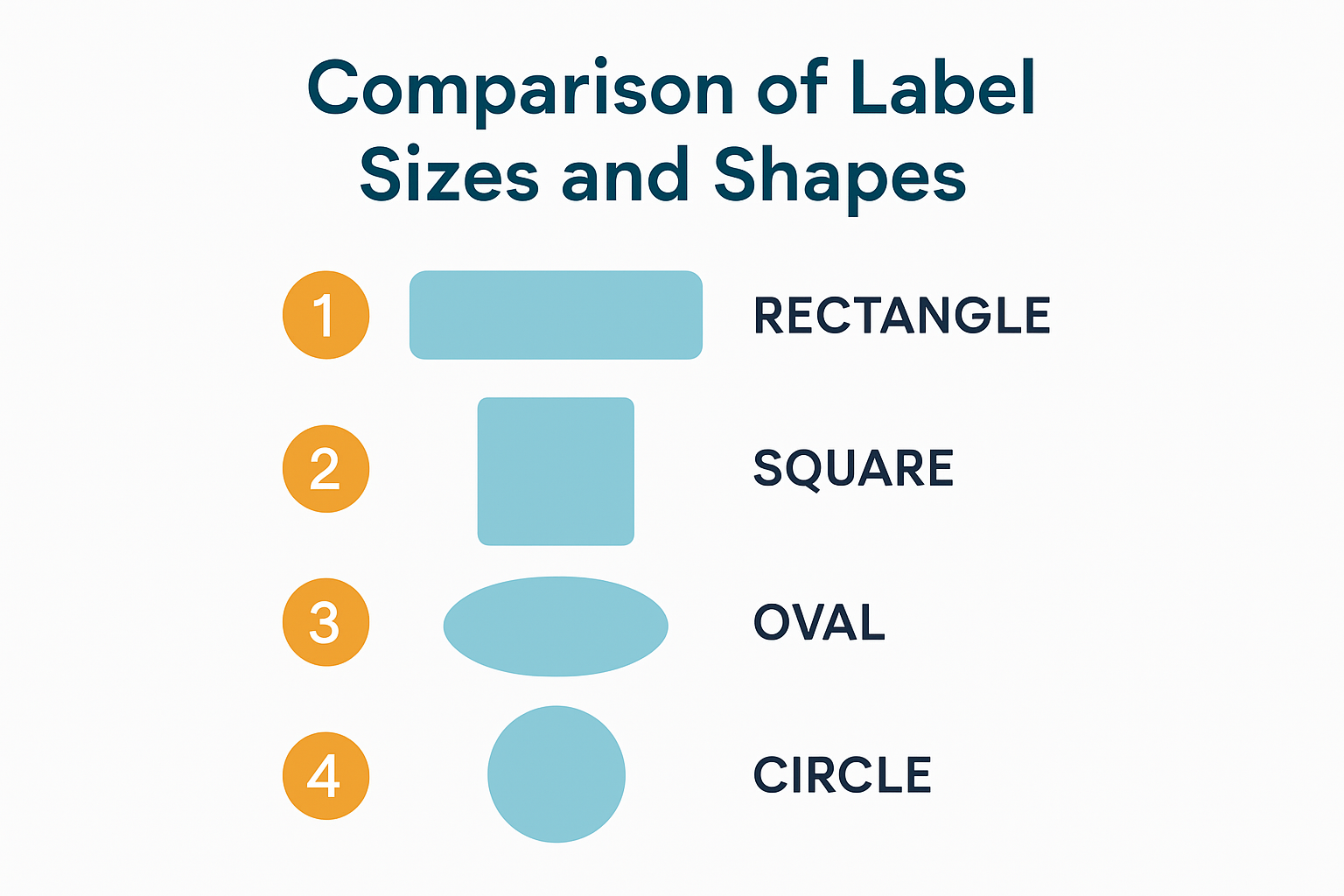
Label dispenser technologies has also evolved, with models ranging from compact 65mm to expansive 250mm configurations. These systems not only facilitate precise label application but also provide insights into optimal sizing strategies.
Beyond initial measurements, professionals must implement robust verification processes. The University of Nottingham’s measurement guidance emphasizes the importance of cross-referencing measurements and maintaining consistent calibration standards.
Quality control protocols should incorporate:
Understanding how to choose label sizes requires more than technical precision – it demands a holistic approach that considers regulatory compliance, product characteristics, and operational efficiency. By leveraging advanced measurement tools and software solutions, organizations can transform label sizing from a complex challenge into a strategic advantage.
The UKCA marking must be at least 5mm in height to ensure compliance with regulatory requirements.
To choose the right label size, consider the dimensions of your packaging, the amount of information that needs to be displayed, and specific regulatory requirements relevant to your industry.
Label size affects readability and visibility, which are crucial for conveying important information like allergens and usage instructions, ultimately helping to protect consumer safety.
You can use digital calipers, printable rulers, and specialised label design software to measure label sizes accurately and ensure proper fit on your packaging.
Choosing the right label size isn’t just a technical requirement; it directly impacts regulatory compliance, consumer perception, and brand identity. As highlighted in our guide, an accurately sized label enhances clarity, ensuring critical product information is accessible and compliant with regulations like the UKCA marking. But achieving this balance doesn’t have to be a struggle.
That’s where Sessions UK comes in. Whether you’re a small artisan producer or a large manufacturer, our labelling solutions are precisely engineered to meet your unique needs:
Now is the time to streamline your labelling process! Discover how our expert team can guide you through selecting the perfect machine for your production environment at https://sessionsuk.com. Don’t delay—unlock the potential of your packaging today!

Smarter Pharmaceutical Labels That Stop Recalls Before They Start Pharmaceutical recalls are painful. They slow production, create worry for patients, and pull whole teams into...

How High-Speed Labeling Transforms Bottle Production High-speed bottling lines work hard when spring and early summer hit. Drinks move faster, orders stack up, and every...

Comprehensive guide to labelling machines: what they are, key types, practical benefits, regulatory factors, and choosing the right solution for UK industries.
Copyright © 2026 Sessions Label Solutions Ltd.