Labelling and Sustainability: Industry Best Practices for 2025
Sessions UK | 15th Jun 2025

Labelling and Sustainability: Industry Best Practices for 2025
 Sustainable labelling is moving at lightning pace and by 2025, new UK rules will demand a level of transparency few brands are truly ready for. Most businesses are focused on green logos and catchy designs. Yet the real test is much tougher. From 30 June 2024, all sustainability labels must meet strict qualifying criteria with annual reviews and full documentation. Here is the surprise. Getting the artwork right barely scratches the surface. The unexpected twist is this. Regulatory compliance and robust tracking systems will define who leads the market in 2025—not clever branding. Genuine environmental commitment and airtight reporting now separate top brands from the rest.
Table of Contents
- Understanding Sustainable Labelling Standards
- Selecting Eco-Friendly Label Materials And Processes
- Meeting Industry Regulations And Certifications
- Maximising Cost Savings And Operational Efficiency
Quick Summary
| Takeaway | Explanation |
|---|---|
| Sustainable labelling standards are evolving rapidly. | By 2025, companies must adhere to stringent regulations focused on transparency, traceability, and credibility in product labelling, necessitating robust tracking systems and transparent reporting protocols. |
| Invest in eco-friendly materials and processes. | Utilising materials such as post-consumer recycled papers and innovative production methods, like digital printing, can substantially reduce environmental impacts while maintaining product quality and compliance. |
| Navigate complex regulatory landscapes effectively. | Businesses must prepare for enhanced sustainability reporting and certification requirements across various sectors to build trust and demonstrate environmental leadership. |
| Leverage technology for operational efficiency. | Integrating smart labelling technologies, like RFID and automated systems, can optimise operational performance and reduce costs, transforming compliance challenges into strategic opportunities. |
| Embrace sustainability as a competitive advantage. | Companies that proactively adapt to sustainability requirements and showcase commitments can differentiate themselves in the market, appealing to environmentally conscious consumers. |
Understanding Sustainable Labelling Standards
Sustainable labelling standards are rapidly evolving, transforming how businesses communicate environmental and ethical commitments to consumers. By 2025, regulatory frameworks will demand unprecedented transparency and accuracy in product labelling practices.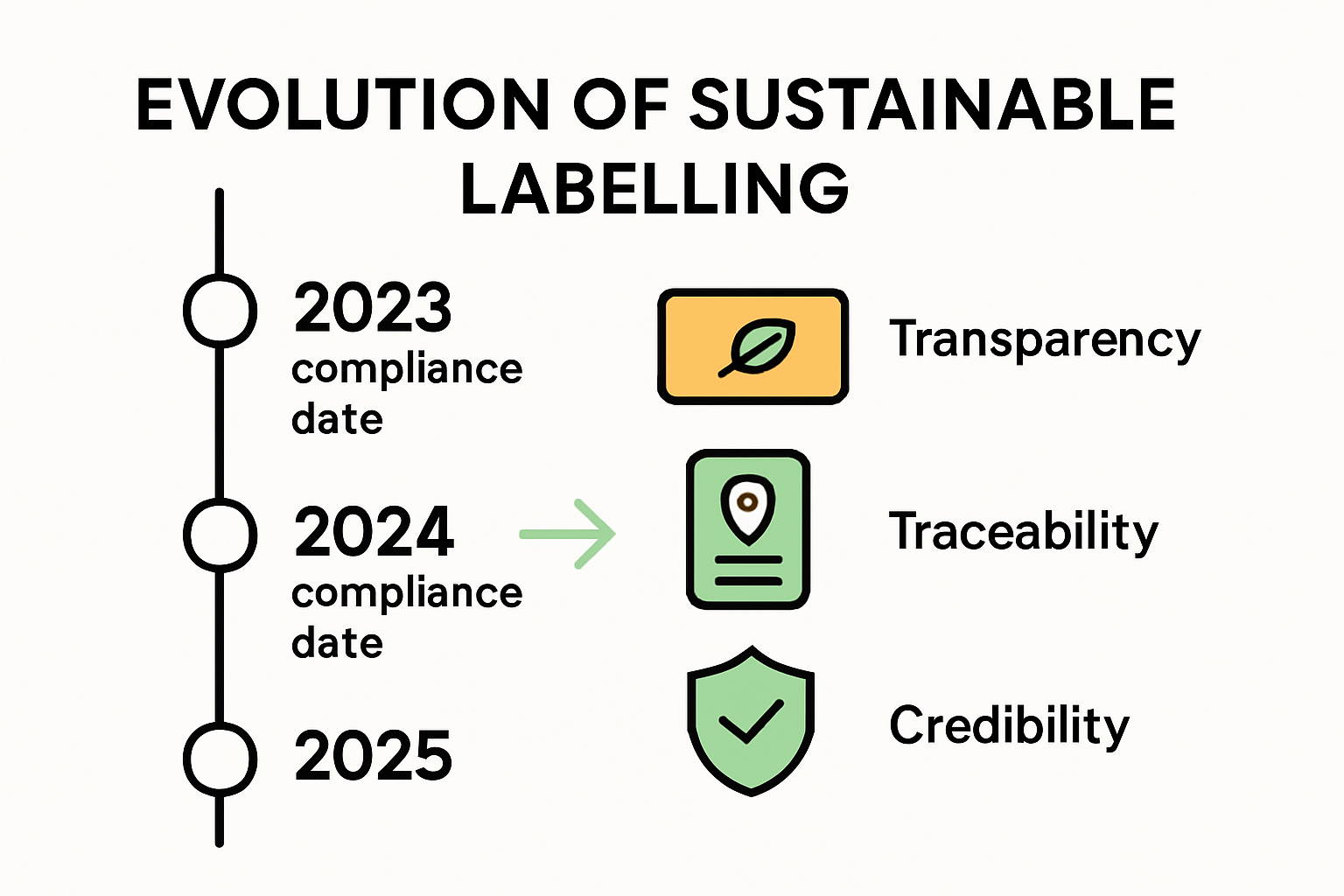
Regulatory Landscape and Compliance Requirements
The UK is implementing stringent sustainable labelling regulations that will fundamentally reshape product communication strategies. From 30 June 2024, companies must meet specific “qualifying criteria” for sustainability labels, requiring thorough documentation and annual reviews. The comprehensive guide to UK labelling standards provides critical insights for businesses navigating these complex requirements. According to the Financial Conduct Authority’s 2025 Handbook, sustainability labelling rules will come into force on 28 February 2025. This marks a significant shift in regulatory expectations, placing direct responsibility on firms to validate and substantiate their sustainability claims. Companies will need to conduct rigorous internal assessments to ensure their labels accurately represent environmental and ethical performance.Key Components of Sustainable Labelling
Effective sustainable labelling goes beyond mere visual design. It encompasses several critical elements that demonstrate genuine commitment to environmental responsibility:- Transparency: Provide clear, verifiable information about product origins, manufacturing processes, and environmental impact
- Traceability: Enable consumers to track product journey from source to shelf
- Credibility: Align labels with recognized international sustainability standards
Selecting Eco-Friendly Label Materials and Processes
The journey towards sustainable labelling begins with a critical evaluation of materials and production processes. As environmental consciousness grows, businesses must reimagine their approach to label design and manufacturing, focusing on materials that minimize ecological impact while maintaining product quality and compliance.Innovative Sustainable Material Selections
Eco-friendly label materials are revolutionizing the packaging industry. Our comprehensive guide to label materials reveals a range of sustainable alternatives that go beyond traditional approaches. According to Lotus Labels, renewable resources are becoming increasingly popular, with materials like sugarcane fibre, bamboo, and FSC-certified paper leading the way in sustainable label production. Key sustainable material options include:- Post-Consumer Recycled Papers: Reduce waste by repurposing existing materials
- Plant-Based Films: Derived from renewable sources like sugarcane
- Hemp-Based Papers: Offering a low-impact alternative to traditional paper production
Sustainable Production Processes
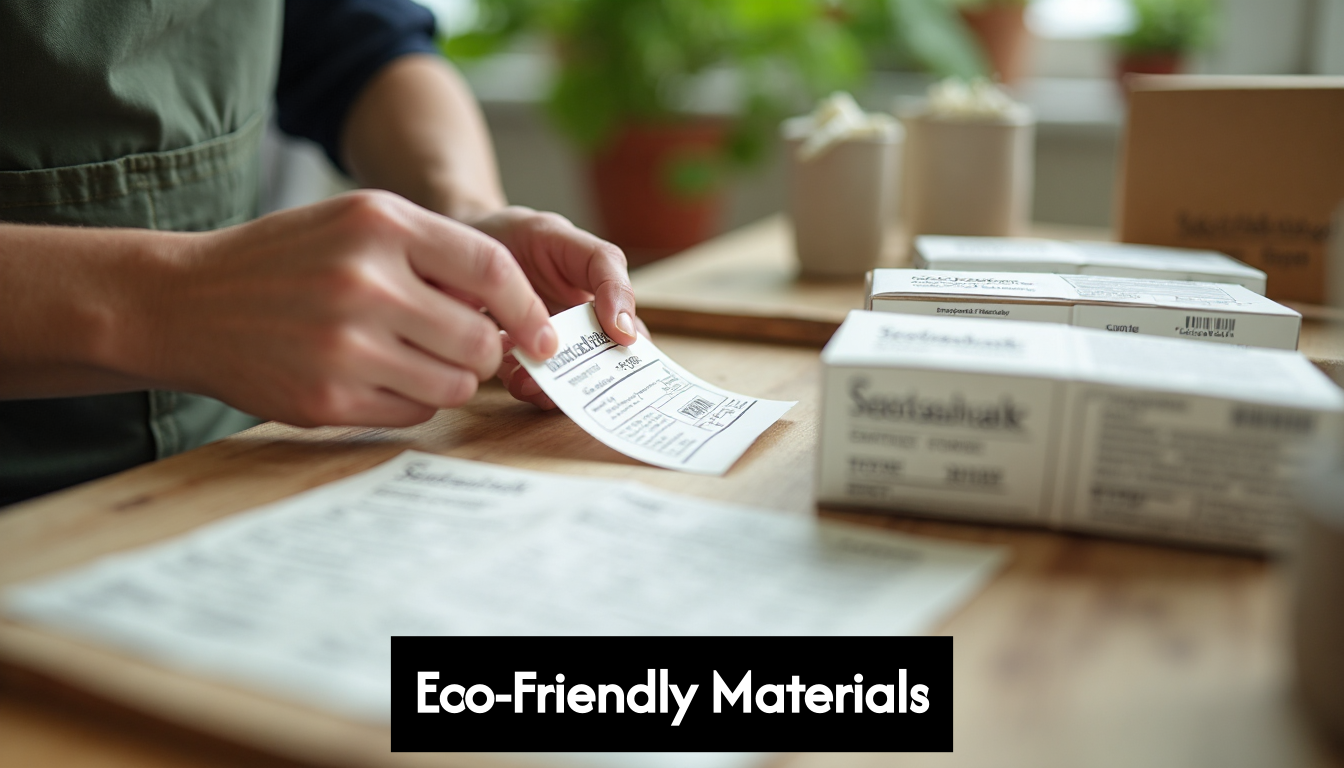 Production processes play a crucial role in creating truly sustainable labels. Label.co.uk highlights several best practices that significantly reduce environmental impact. Digital printing emerges as a key technology, dramatically reducing CO2 emissions compared to traditional printing methods.
Additionally, innovative approaches are transforming label design:
Production processes play a crucial role in creating truly sustainable labels. Label.co.uk highlights several best practices that significantly reduce environmental impact. Digital printing emerges as a key technology, dramatically reducing CO2 emissions compared to traditional printing methods.
Additionally, innovative approaches are transforming label design:
- Circular Economy Adhesives: Enabling easy label removal for recycling
- Ocean Bound" Recycled Films: Utilizing plastics recovered from marine environments
- Compostable Label Technologies: Designed to break down within approximately 180 days in commercial composting facilities
Meeting Industry Regulations and Certifications
Navigating the complex landscape of industry regulations and certifications is crucial for businesses seeking to maintain compliance and demonstrate commitment to sustainable practices. By 2025, regulatory frameworks will become increasingly sophisticated, demanding precision and transparency in labelling across multiple sectors.Comprehensive Regulatory Landscape
The UK is implementing stringent packaging and labelling regulations that will fundamentally transform how businesses approach product communication. From January 2025, large packaging producers will be required to assess and report the recyclability of household packaging, read more about upcoming packaging regulations. According to Inside Packaging, this marks a significant shift towards enhanced sustainability reporting and transparency. The UK Government is actively developing a consistent, mandatory packaging labelling system as part of the Extended Producer Responsibility (EPR) framework. Clarity.eco highlights that this initiative aims to harmonise UK and EU labelling standards, ultimately promoting recycling and reducing complexity for businesses.Sector-Specific Certification Requirements
Different industries face unique certification challenges. In the medical device sector, for instance, UK Government guidance mandates specific labelling requirements. Devices placed on the Great Britain market must carry either UKCA or CE markings, depending on the relevant legislation. These markings ensure compliance with critical safety and traceability standards. Key certification considerations include:- Traceability: Maintaining comprehensive documentation of product origins
- Safety Compliance: Meeting stringent industry-specific safety standards
- Environmental Performance: Demonstrating measurable sustainability metrics
- Carbon Neutral Certification
- Recycled Content Verification
- Sustainable Forestry Certification
Maximising Cost Savings and Operational Efficiency
In the rapidly evolving landscape of sustainable labelling, businesses must strategically balance environmental responsibility with operational efficiency. Cost savings and productivity are no longer mutually exclusive goals but interconnected strategies that drive competitive advantage.Smart Technology Integration
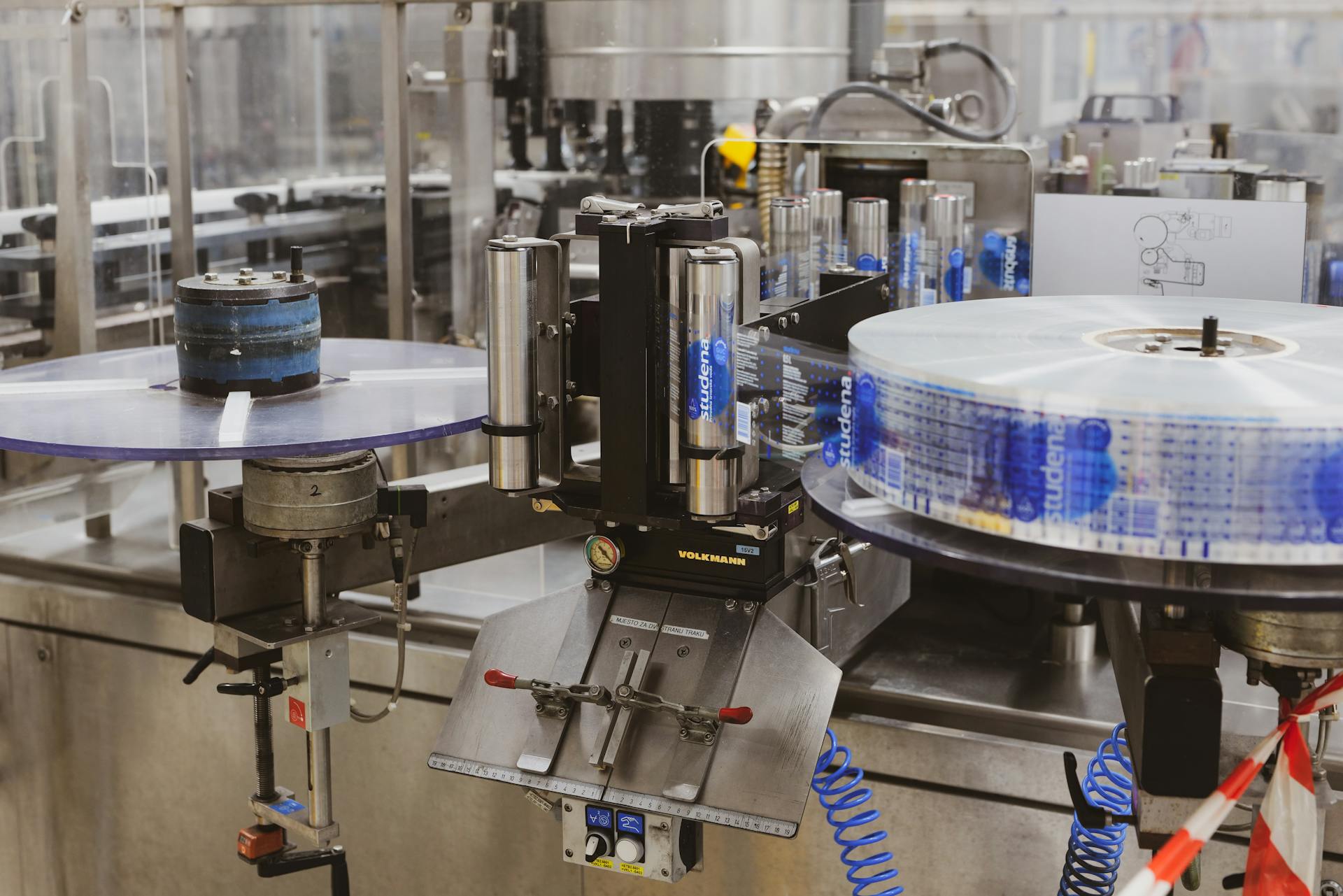
Technological advancements are transforming labelling operations, offering unprecedented opportunities for cost reduction. Learn more about optimising labelling processes, businesses can leverage smart label technologies to dramatically improve operational performance. According to Label Market, integrating technologies like RFID and QR codes enables real-time data tracking and significantly reduces manual labour costs. Key technological interventions include:- Automated Labelling Systems: Reduce human error and increase production speed
- Digital Tracking Mechanisms: Provide granular insights into operational workflows
- Smart Inventory Management: Enable precise stock control and minimise waste
Sustainable Material Economics
Contrary to traditional assumptions, sustainable labelling materials can generate substantial long-term economic benefits. Label Market highlights that adopting recyclable, compostable, or renewable content materials not only meets regulatory requirements but also reduces waste management costs. Economic advantages of sustainable materials include:- Reduced Waste Disposal Expenses: Lower overall waste management costs
- Potential Tax Incentives: Government support for sustainable practices
- Enhanced Brand Reputation: Attract environmentally conscious consumers
Frequently Asked Questions
What are the key requirements for sustainable labelling by 2025?
Companies must adhere to stringent regulations focusing on transparency, traceability, and credibility in product labelling. From 30 June 2024, sustainability labels must meet strict qualifying criteria, including thorough documentation and annual reviews.How can businesses select eco-friendly label materials?
Businesses can choose sustainable materials such as post-consumer recycled papers, plant-based films, and hemp-based papers. It’s essential to evaluate performance and ensure that the materials can withstand conditions while being environmentally friendly.What role do technologies play in enhancing labelling processes?
Technologies such as RFID, QR codes, and automated labelling systems enhance efficiency by enabling real-time data tracking, reducing manual labour costs, and improving operational performance. This integration streamlines compliance with sustainability regulations.Why is sustainability crucial for brand differentiation?
Sustainability is increasingly becoming a competitive advantage. Companies that adapt to sustainability requirements and demonstrate genuine environmental commitment build trust with consumers, differentiate themselves in the market, and appeal to environmentally conscious shoppers.Ready for Sustainable Labelling Success in 2025?
If you are feeling the pressure of new compliance rules and increased demand for transparent, sustainable labelling, you are not alone. As outlined in the article, the upcoming regulations mean that outdated labelling processes could leave your brand at risk of costly mistakes or lost consumer trust. Operations and compliance teams face mounting challenges—traceability, credible documentation, and the need for airtight efficiency are all critical. The good news is that these are exactly the problems that Sessions UK’s labelling machines have been designed to solve. Do not wait until rules go live and competition tightens. Explore our fully automatic labelling machines for seamless compliance and unbeatable speed. Or, browse our full solutions at Sessions UK and see how expert guidance and best-in-class equipment can turn tomorrow’s regulations into your strategic advantage. Future-proof your labelling—act now to protect your brand and push your operations ahead of the curve.
Recommended Articles
- Exploring 2025’s Latest Trends in Labelling Technology
- How to Optimise Labelling Processes: Expert Strategies for 2025
- Consumer Goods Labelling: What You Need To Know 2025